
English| EUR
Suggested for you
More currencies
Book Now
Open today · 00:00–23:59

Whale Watching Japan Tokyo

Whale Watching Japan Tokyo — Ogasawara Island Departures

Humpback migrations off the Bonin archipelago, twenty-five hours south by ferry.

50K+ travelers chose this
Free Cancellation
Right now: Moderate — autumn season Boats operate subject to ocean conditions and whale migration patterns.
Free Cancellation
Free cancellation Instant confirmation Mobile voucher Verified partner Book now, pay later
1,000 km
Distance from Tokyo
Remote archipelago location
90%+
Success rate
High likelihood of whale sightings
1989
Established
First Japanese whale watching site
24 hr
Transit time
Ferry journey from Tokyo
Choose your ticket

Whale Watching Japan Tokyo tickets at a glance

Compare fares, pick the fit — all bookings are mobile-voucher and eligible for free cancellation where shown.

teamLab Planets TOKYO Digital Art Museum Entry 2 hr
Standard Entry

teamLab Planets TOKYO Digital Art Museum Entry

4.6 (14026)
$27
  • Entry ticket
  • Mobile voucher
  • Valid same day
Book this ticket
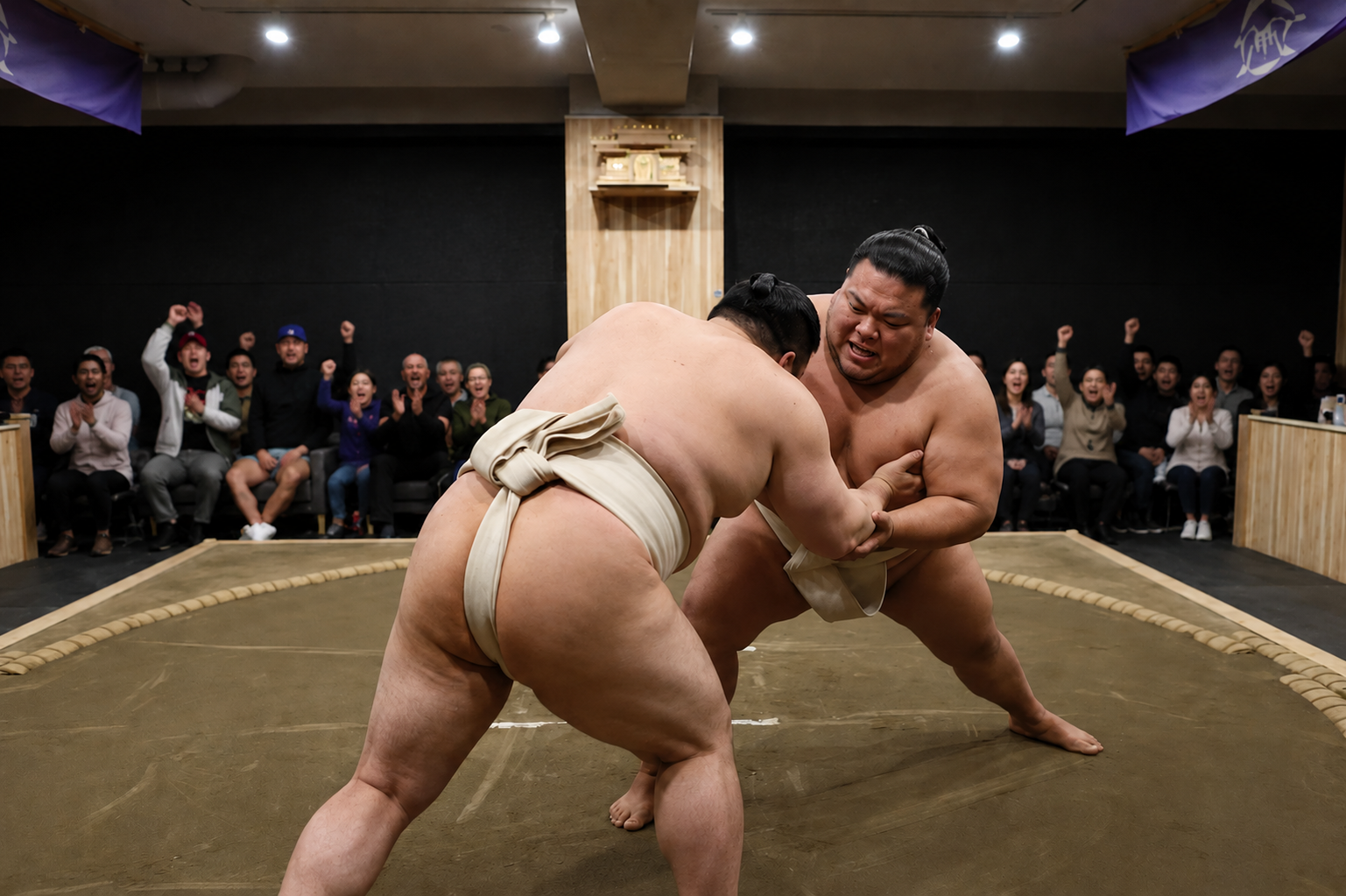
Shibuya Sumo Wrestling Show with Wrestler Challenge 1 hr 10 min
Standard Entry

Shibuya Sumo Wrestling Show with Wrestler Challenge

5 (1658)
$51
  • Entry ticket
  • Mobile voucher
  • Valid same day
  • Free cancellation
Book this ticket
Compare options

Compare Whale Watching Japan Tokyo ticket options

Visitors planning whale watching japan tokyo must select the appropriate boat excursion type, as the destination itself offers free entry to the Ogasawara Islands. Choosing the right marine expedition ensures you reach the deep waters where humpback whales and dolphins are most active.

Half-Day Tour Guided Boat Excursion Top pick
Full-Day Expedition Comprehensive Marine Adventure
Access method Boat Departure
Whale search area Coastal waters
Duration 3-4 hours
Included services Marine guide
Best for Budget-conscious travelers

Is Whale Watching Japan Tokyo worth it?

Not worth it from Tokyo proper

Whale watching japan tokyo tours operate from the Ogasawara Islands, a 24-hour ferry ride (¥28,000–¥50,000 round-trip) from Tokyo's mainland. While the islands offer exceptional humpback whale sightings February through April and sperm whale encounters year-round, the logistics make this impractical for typical Tokyo itineraries. Independent boat operators charge ¥6,000–¥12,000 per tour, requiring minimum 3–4 day commitments when ferry transit is included. The watching itself delivers—calm morning seas, knowledgeable guides, and UNESCO World Heritage marine ecosystems—but the opportunity cost is steep. Visitors spending under a week in Tokyo gain more value from Mount Fuji excursions or cultural experiences like the Shibuya sumo show. Whale watching japan tokyo tickets make sense only for travelers with 5+ days to spare or those building entire trips around the Ogasawara experience.

What makes it worth it

  • Reliable humpback sightings during peak season
  • UNESCO marine reserve with diverse cetacean species
  • Small-group boat tours with expert naturalist guides
  • Pristine waters rarely accessible to casual tourists

Keep in mind

  • Requires 24-hour ferry each direction from Tokyo
  • Minimum 3-night commitment once transit is factored
  • Ferry costs exceed ¥28,000 before tour fees
  • Weather-dependent departures risk schedule disruption

Bottom line: Book only if you're building a dedicated Ogasawara trip, not squeezing it into a standard Tokyo visit.

Head to head

Ogasawara Whale Watching vs Wadaura Whaling Heritage — Which Is Better?

They offer distinct experiences; most visitors who do both call the Ogasawara whale watching japan tokyo tour the more immersive wildlife encounter.

Top pick
Ogasawara Islands
Wadaura Community
Focus Cultural whaling history
Arrival difficulty 3-hour train from Tokyo
Setting Coastal Chiba town
Primary season June–August (hunting season)
Duration Day trip visits
Who it suits History and culture enthusiasts

Verdict: Choose Ogasawara for a world-class whale watching japan tokyo experience in a natural habitat, or visit Wadaura for a unique perspective on local maritime heritage.

Featured Experiences

Popular Whale Watching Japan Tokyo tours & activities

Hand-picked experiences loved by thousands of travelers

Recommended Experience

Powered by GetYourGuide

Another traveler favorite

Powered by GetYourGuide
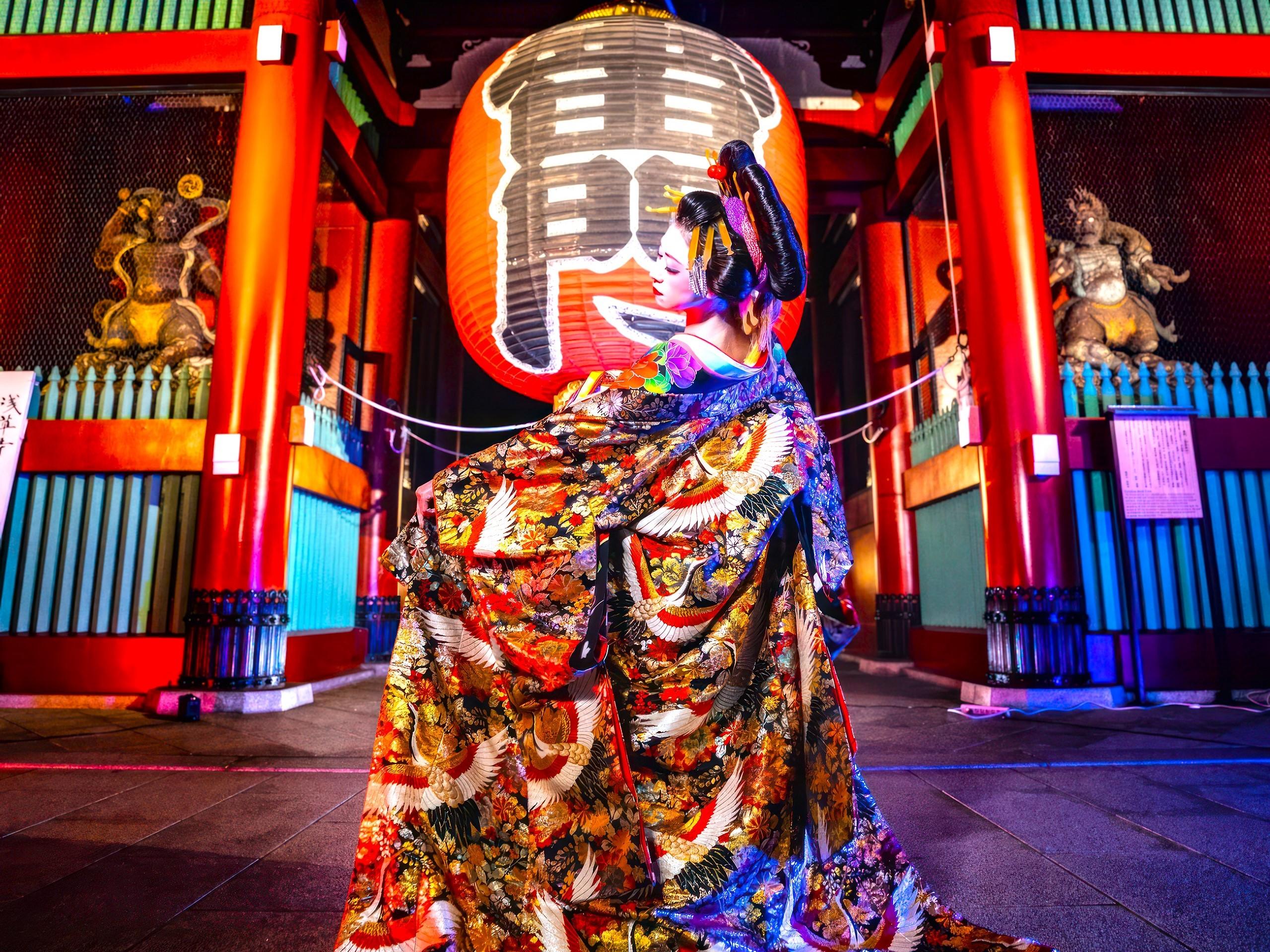
Asakusa-Kaguwa Japanese Dance Cabaret Performance 2 hours Free Cancellation

Asakusa-Kaguwa Japanese Dance Cabaret Performance

Experience a fusion of traditional Japanese dance and modern music at Tokyo's captivating Asakusa theater

4.8 (2770)
FromFrom $49.08
See details
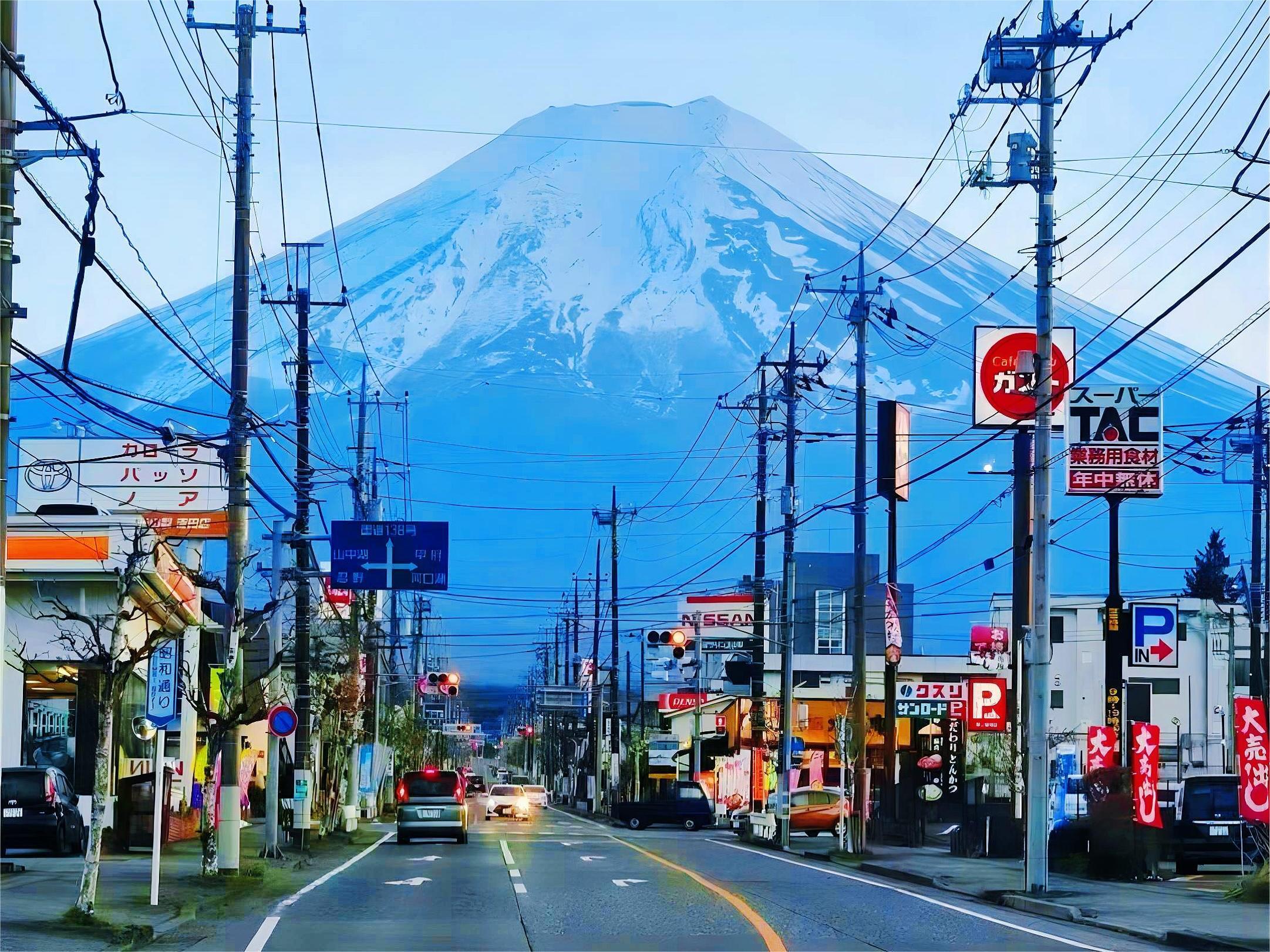
Mount Fuji, Chureito Pagoda & Lake Kawaguchi Day Trip from Tokyo 10 hours Free Cancellation

Mount Fuji, Chureito Pagoda & Lake Kawaguchi Day Trip from Tokyo

Journey to Japan's most sacred peak with an expert guide who brings local legends to life

4.3 (877)
FromFrom €66.6
See details
Family Sumo Workshop with Live Match & Chanko Lunch 2 hours Free Cancellation

Family Sumo Workshop with Live Match & Chanko Lunch

Train with ex-pro wrestlers, watch thrilling bouts, and feast on authentic chanko hotpot in Ryogoku

4.9 (451)
FromFrom $90.42
See details
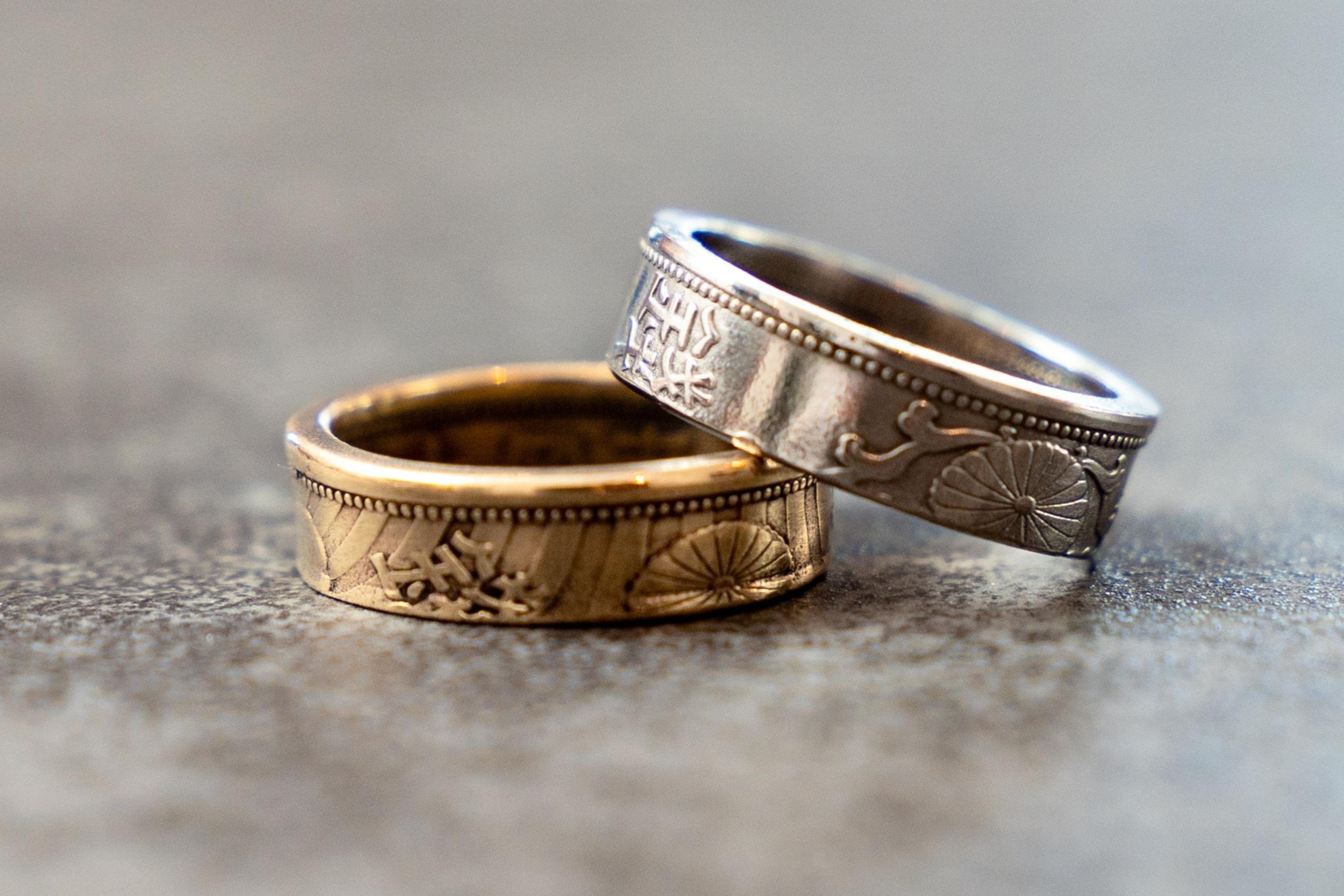
Vintage Coin Ring Making Workshop in Tokyo 45 minutes Free Cancellation

Vintage Coin Ring Making Workshop in Tokyo

Transform an authentic vintage coin into a personalized ring using traditional metalworking methods.

4.9 (1053)
FromFrom €8.32
See details
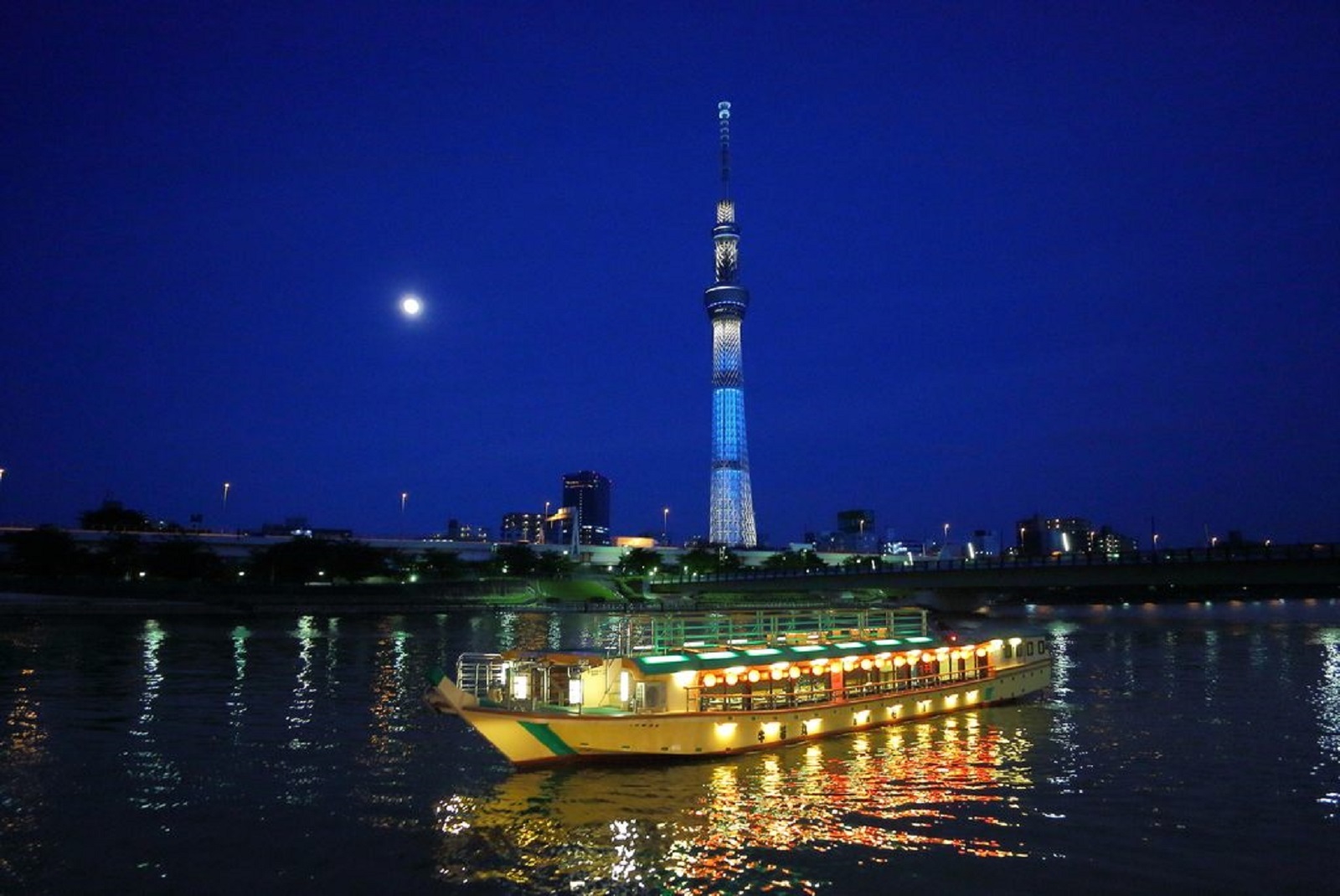
Tokyo Bay Yakatabune Evening Dinner Cruise 3 hours Free Cancellation

Tokyo Bay Yakatabune Evening Dinner Cruise

Sail through Tokyo's illuminated waterways aboard a traditional houseboat with unlimited drinks and seasonal Japanese cuisine

4.7 (289)
FromFrom $119.2
See details
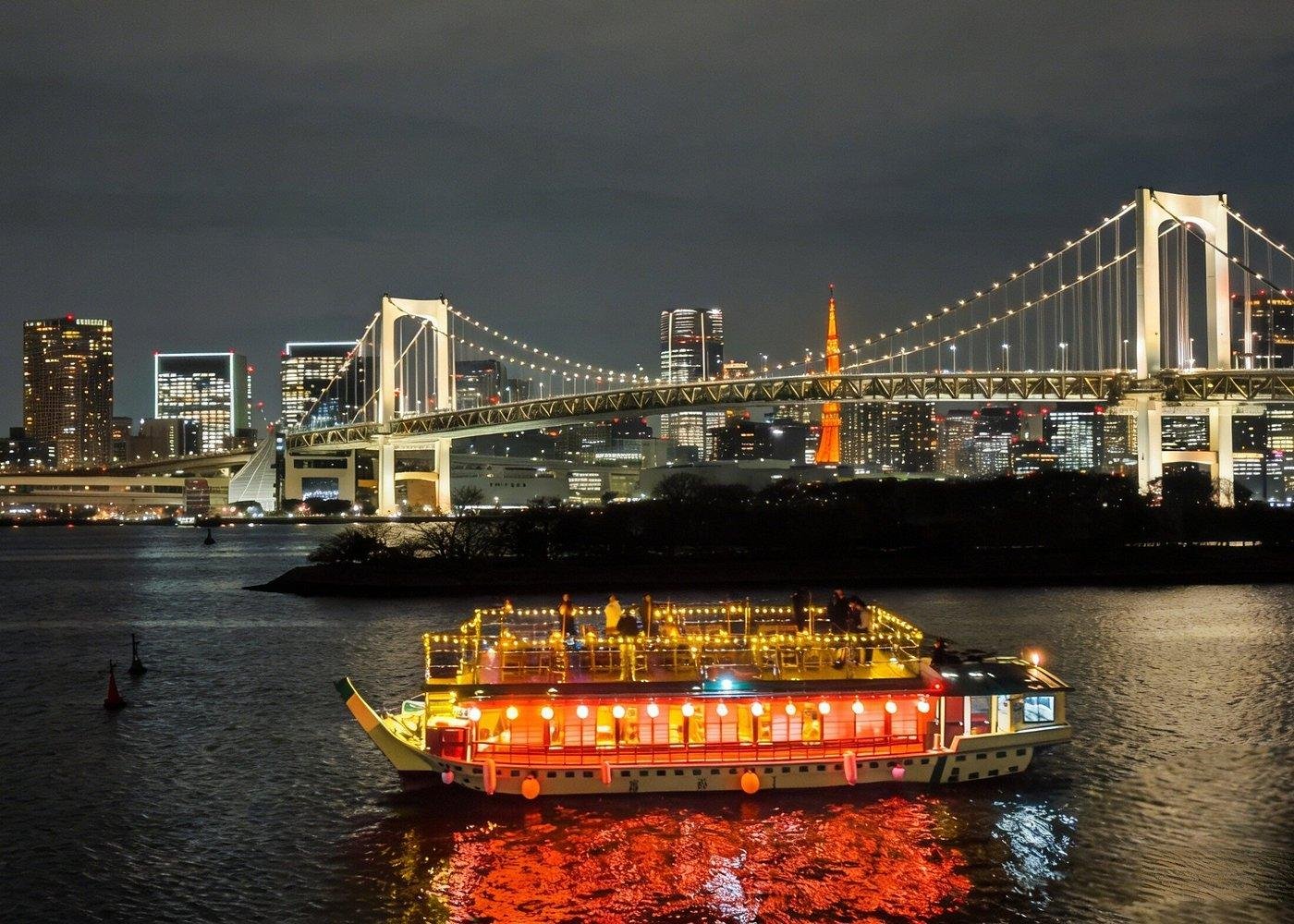
Traditional Yakatabune Dinner Cruise with Shamisen & Tower Views 100 minutes Free Cancellation

Traditional Yakatabune Dinner Cruise with Shamisen & Tower Views

Sail Tokyo Bay on a cherry blossom-themed houseboat with live music, hot pot dining, and observation deck access

4.7 (443)
FromFrom €87.69
See details
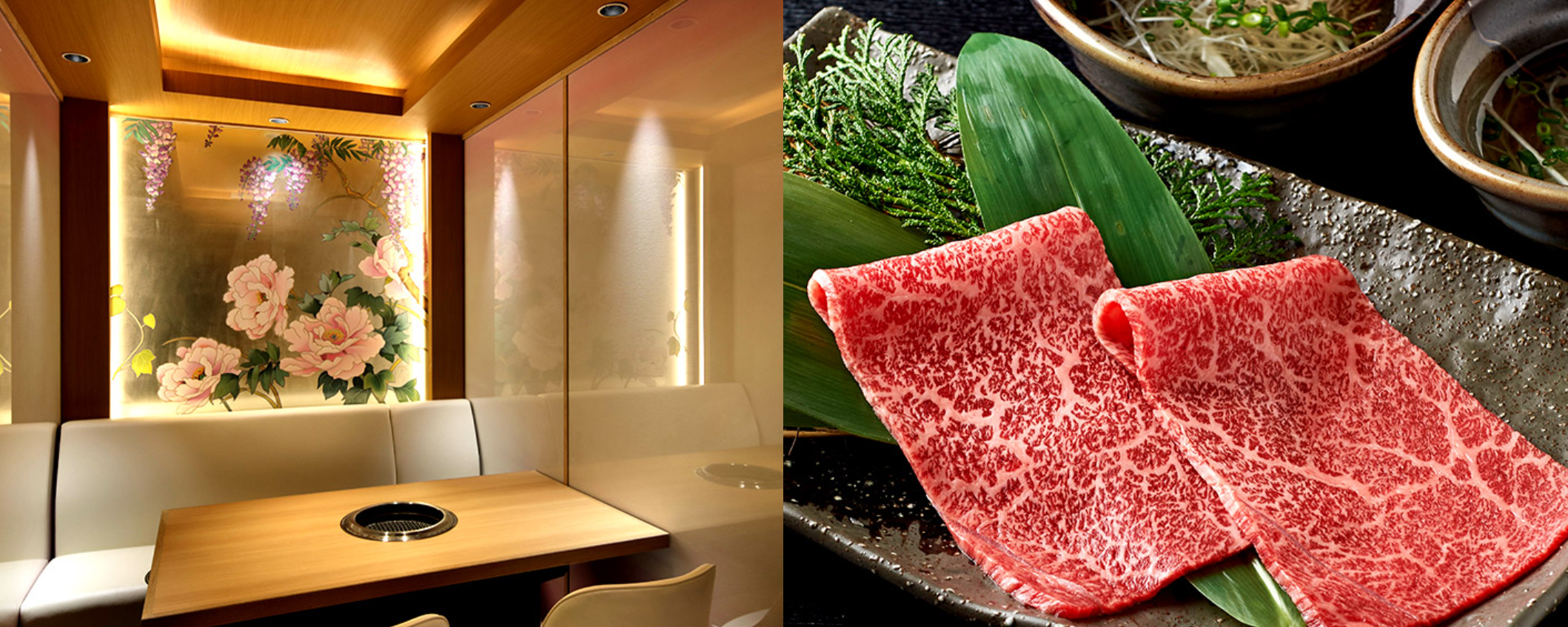
Premium A5 Wagyu Yakiniku Dining at Nikunone 2 hours Free Cancellation

Premium A5 Wagyu Yakiniku Dining at Nikunone

Feast on Japan's finest marbled beef in a private seasonal room with expert service and rare ingredients

4.8 (12)
FromFrom €97.95
See details
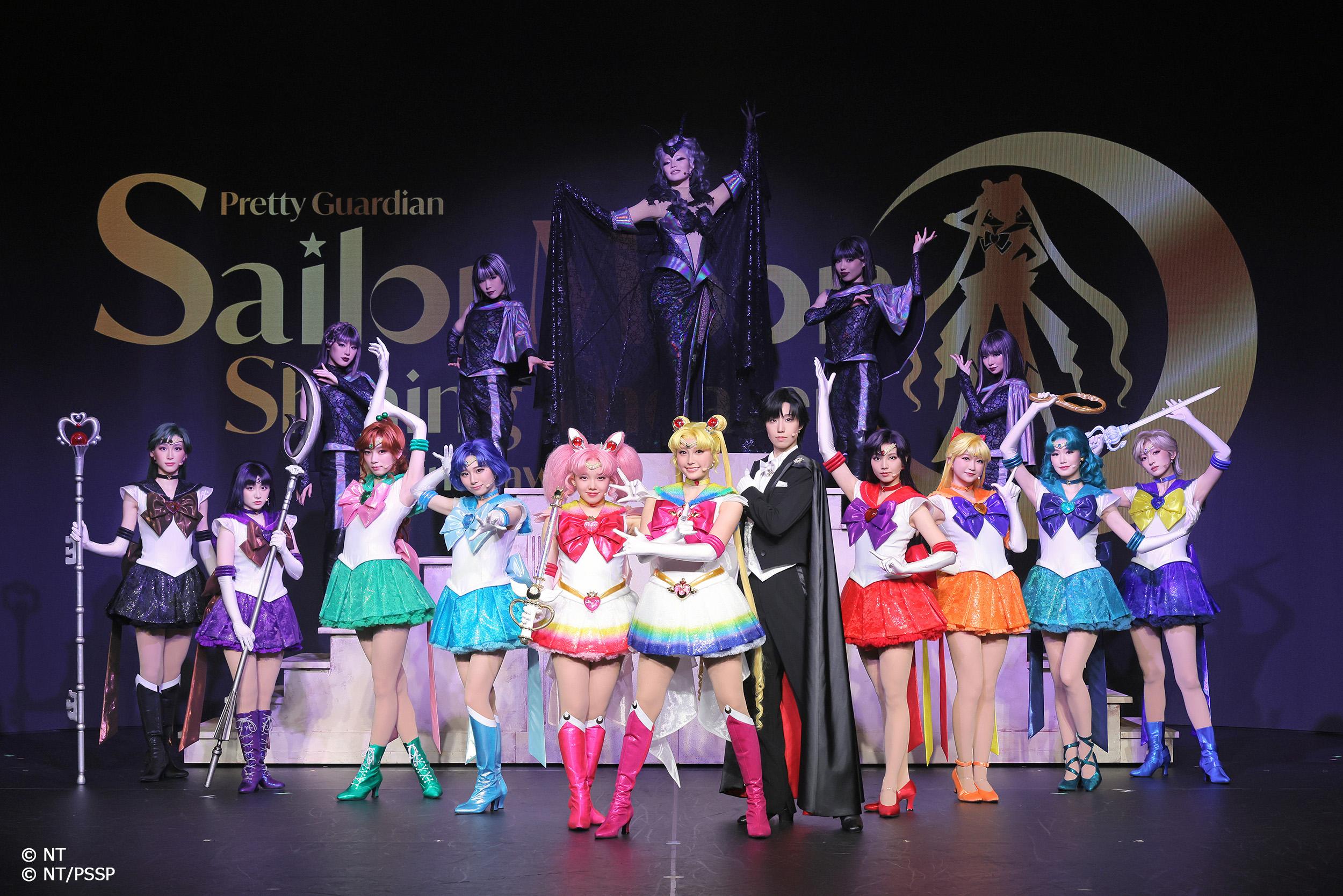
Sailor Moon Live Theater Experience at Shinagawa Prince Hotel 1.5 hours Free Cancellation

Sailor Moon Live Theater Experience at Shinagawa Prince Hotel

Step into an immersive theatrical production featuring the iconic magical girl universe with exclusive character drinks

4.8 (118)
FromFrom €72.15
See details
The experience

What visiting Whale Watching Japan Tokyo is really like

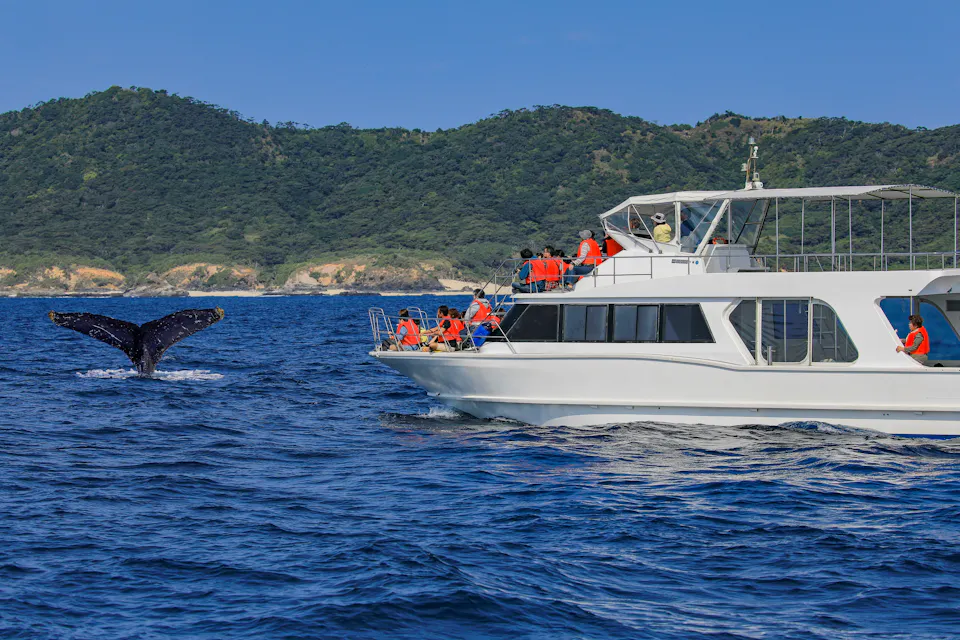
You board at Futami Port before sunrise, stepping from the concrete quay onto a reinforced-hull charter that holds twenty passengers and a three-person crew.

Read more Show less

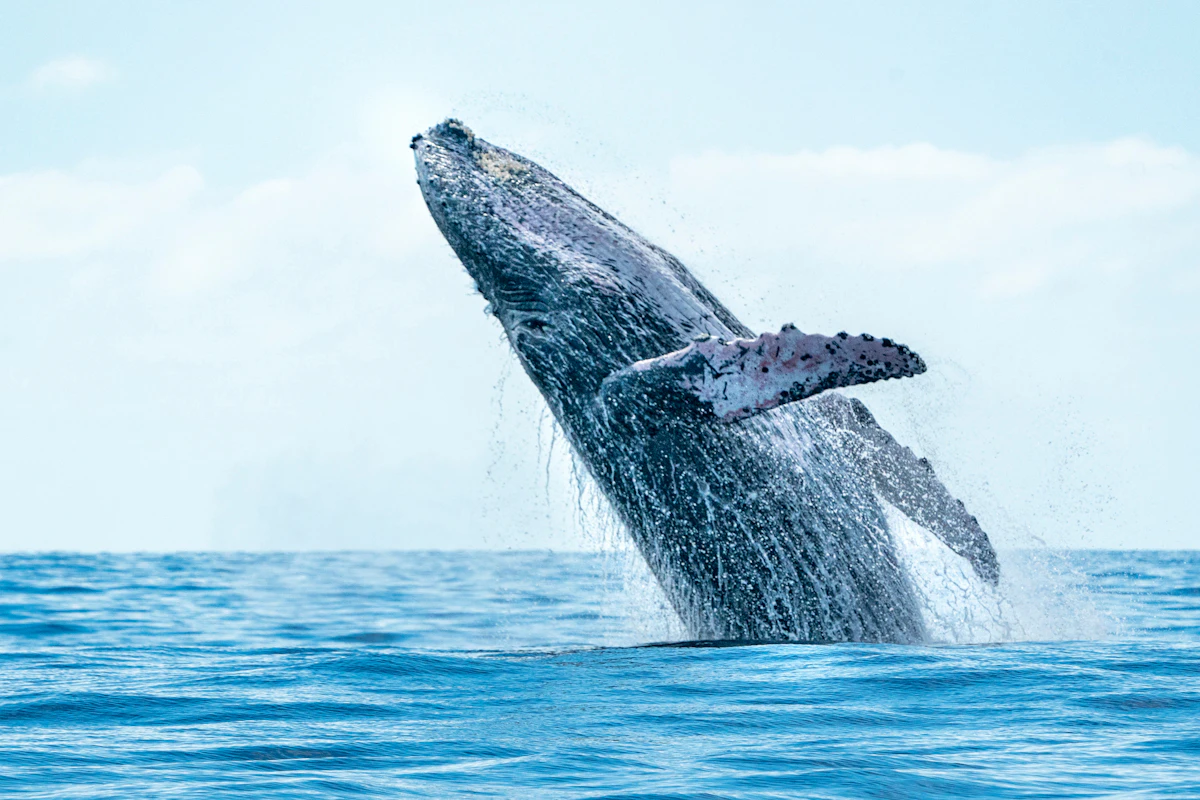
The captain briefs safety protocols while the boat clears the breakwater, and you claim a position along the starboard rail as Chichijima's forested ridges recede into pre-dawn silhouette. Twenty minutes out, the deckhand signals a blow at ten o'clock—a vertical spout backlit by the rising sun, collapsing into mist two seconds after it peaks.

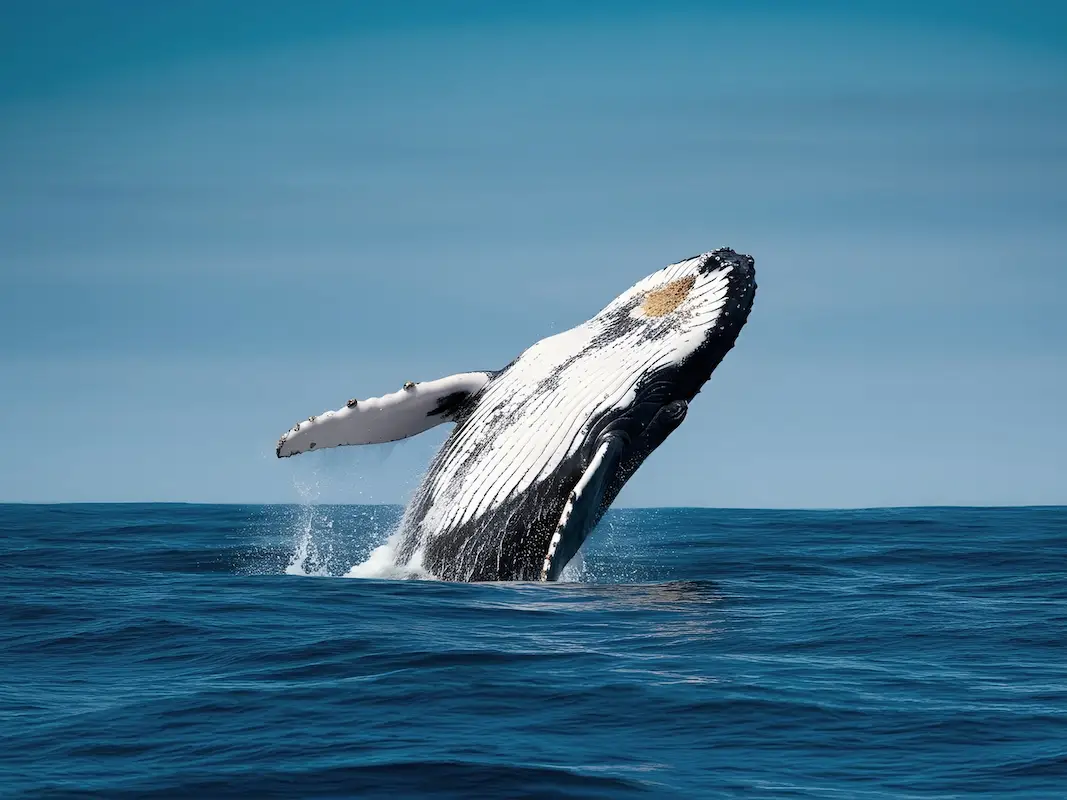
The engine cuts to idle three hundred metres from the sighting. A humpback surfaces in a lazy arc, dorsal fin trailing its back by four metres, then lifts its tail flukes vertically before a deep dive. You photograph the fluke's ventral pattern—white marbling against black—while the marine biologist onboard records the timestamp and bearing. The whale resurfaces closer, exhaling with a percussive huff that carries across flat water, and you track its progress through a series of shallow rolls that expose barnacle clusters along the rostrum and pectoral fins spanning five metres tip to tip.

A second animal breaches two hundred metres west, clearing the surface entirely before crashing back in an explosion of white water. The boat repositions for a better angle, and you spend the next forty minutes watching cow-calf behaviour—the calf surfacing twice for every maternal breath, practising pectoral slaps that produce more splash than force. By nine o'clock the wind picks up and the captain turns back toward Chichijima, trailing a course along the outer islets where green sea turtles drift in surface seaweed mats.

Whale Watching Japan Tokyo
Everything You Need to Know

Your complete Whale Watching Japan Tokyo guide

All the details about your upcoming adventure in one place

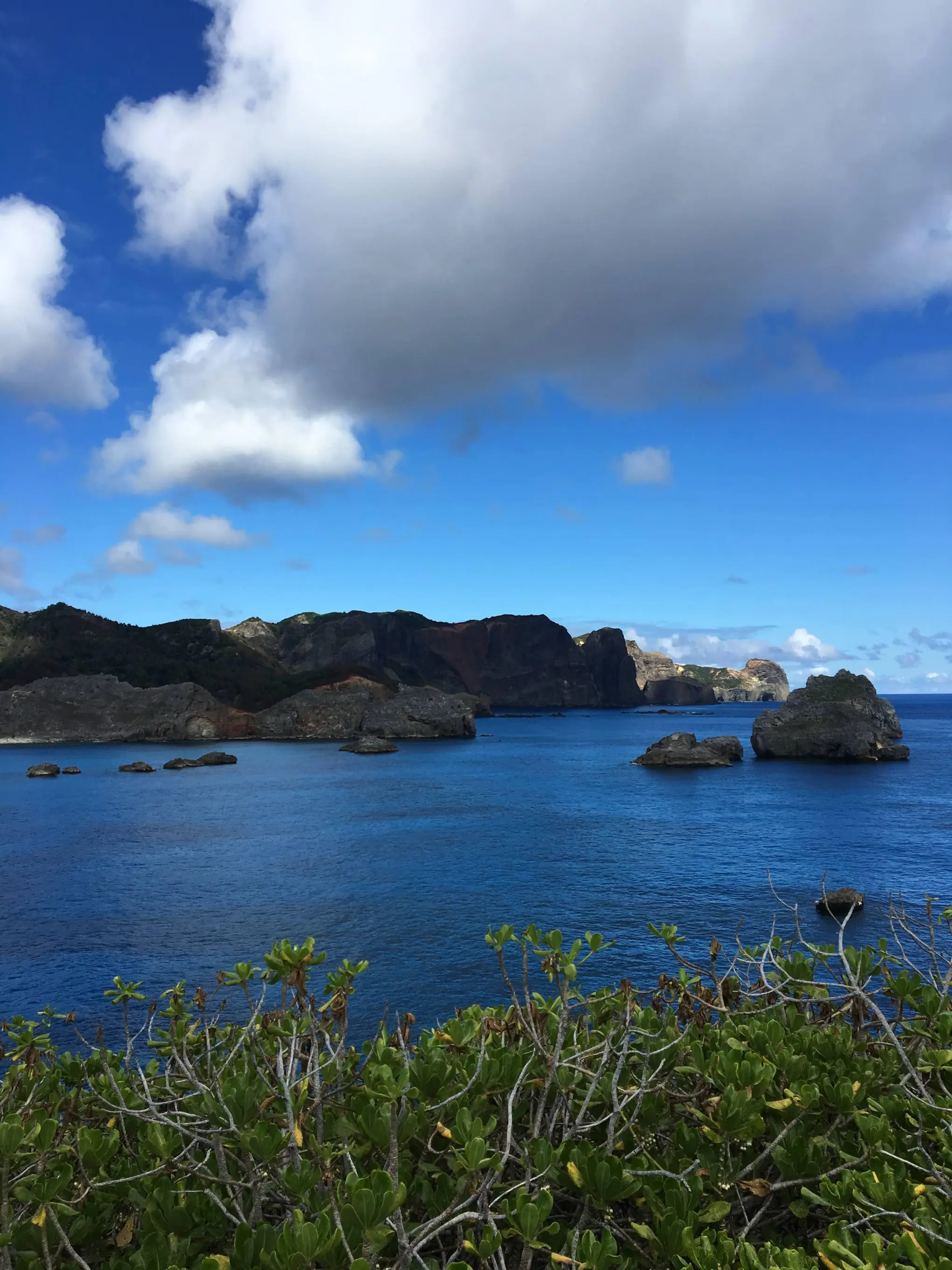
The Ogasawara Islands lie a thousand kilometres south of Tokyo's mainland wards, a twenty-five-hour ferry passage across the Pacific that places them closer to the Mariana Trench than to Shibuya.

Administratively part of Tokyo prefecture, this volcanic archipelago—known historically as the Bonin Islands—hosts the only confirmed breeding grounds for humpback whales in Japan's territorial waters. Each January, mature whales arrive from northern feeding zones off the Aleutians and British Columbia, drawn by the Kuroshio Current's warm upwellings and the shelter of submarine calderas that drop four thousand metres within sight of Chichijima's harbour.

Whale watching japan tokyo operations centre on Futami Port, where licensed boat operators run daily charters during the migration window between late January and early April. Peak sightings cluster in February and March, when cow-calf pairs occupy shallow bays west of Anijima and Ototojima, the outer islets that buffer Chichijima from open ocean swells. Humpbacks exhibit surface-active behaviour here—breaching, pectoral slapping, competitive male displays—with greater frequency than in subtropical calving zones off Okinawa or the Ryukyus. Marine biologists attribute this to the archipelago's isolation; human vessel traffic remains minimal outside the whale season, and the islets' steep bathymetry creates acoustic channels that amplify song transmission across distances exceeding fifteen kilometres.

The Ogasawara whale watching tour departs at dawn to capitalise on glassy sea conditions before the trade winds strengthen after midday. Outbound runs follow the western coastline, where surface scans focus on vapour blows visible three kilometres distant in clear weather. Encounters typically occur within an hour of leaving port, though regulations mandate five-hundred-metre approach distances and prohibit engine idling within audible range of nursing pairs. Observers note tail flukes during deep dives—each animal's ventral pattern is catalogued by the Ogasawara Marine Centre—and hydrophones record subsurface vocalisations that resonate through fibreglass hulls. Return crossings pass Minamijima's sea-turtle nesting beaches and the submerged rim of an ancient caldera now colonised by black coral forests, visible through thirty metres of water clarity that rivals anything in the subtropical Pacific.

Humpbacks exhibit surface-active behaviour here with greater frequency than in subtropical calving zones off Okinawa or the Ryukyus.

Dress code

Wear practical clothing suitable for a marine environment, including non-slip footwear and layers. Bring a windbreaker or waterproof jacket as sea spray and wind are common on whale watching japan tokyo excursions.

Bags & security

Ensure all personal items are securely stowed in waterproof bags. Most whale watching japan tokyo tours have restricted deck space, so bring only essential gear for your whale watching japan tokyo experience.

Photography

Use a strap for all cameras and ensure they are protected from salt spray. Respect wildlife by maintaining appropriate distances during your whale watching japan tokyo photography.

Families & strollers

Children are welcome on many whale watching japan tokyo tours, though conditions can be rough. Verify the minimum age and physical requirements with your boat captain before finalizing your whale watching japan tokyo tour.

Accessibility

Boarding boats in the Ogasawara Islands typically requires navigating small gaps or stairs. Consult your specific operator if you have mobility concerns before booking whale watching japan tokyo tickets.

Food & drink

Bring your own hydration and light snacks for the duration of your trip. Staying hydrated is essential during long whale watching japan tokyo tours under the subtropical sun.

Not allowed

× Drones × Heavy tripods × Large suitcases × Flash photography equipment × Alcohol × Single-use plastics × Fishing gear × Unsecured loose items

What to bring

✓ Sunscreen ✓ Polarized sunglasses ✓ Waterproof gear ✓ Motion sickness medication ✓ Camera with strap ✓ Hat ✓ Small towel

Opening hours

Mon 00:00–23:59
Tue 00:00–23:59
Wed 00:00–23:59
Thu 00:00–23:59
Fri 00:00–23:59
Sat 00:00–23:59
Sun 00:00–23:59

How to get there

At a glance

Opening hours

00:00–23:59

Address

Ogasawara Islands, Tokyo, Japan

Accessibility

Boat tours require physical mobility for boarding and marine travel.

Best arrival window

06:00–09:00 — Early morning offers the calmest sea conditions for boat departures.

Baggage

Keep gear minimal; space on whale watching japan tokyo boats is limited.

Official site

https://www.owa1989.com

Cancellation policy

Please confirm specific cancellation policies with your chosen tour operator. Whale watching requires booking independent boat tour operators, and fees are 0 JPY for general entry to the islands.

Plan your time

Planning Your Whale Watching Japan Tokyo Excursion

Recommended time

Half a day

Planning your Whale Watching Japan Tokyo excursion requires setting aside at least four hours for boat transit and marine observation. Securing your whale watching japan tokyo tickets early ensures you depart when sea conditions are most stable, as these marine mammal excursions depend heavily on local weather. Whale watching japan tokyo tour groups are smaller than typical sightseeing crowds, so plan for a steady flow throughout the day. When booking your whale watching japan tokyo tours, account for additional time if you wish to explore the Ogasawara Islands shoreline after your maritime experience.

Crowd levels through the day

06:00–09:00 Light
09:00–12:00 Moderate
12:00–15:00 Peak
15:00–18:00 Moderate
The story

Historical Context of Whale Watching Japan Tokyo

The Ogasawara Islands, administered by Tokyo Prefecture yet located 1,000 kilometers south of the mainland, carried a dark maritime legacy before emerging as a global whale watching japan tokyo destination. Commercial whaling operations intensified across these volcanic archipelagos during the early twentieth century, with Japanese and American vessels harvesting humpback and sperm whale populations to near-collapse by the 1960s. The International Whaling Commission moratorium in 1986 ended legal commercial hunts, allowing migratory corridors around Chichijima and Hahajima to begin ecological recovery. Local fishing communities faced economic crisis as traditional industries vanished. Conservationists and former fishermen collaborated in 1989 to establish the first commercial whale watching japan tokyo tours, transforming hunters into guides. The Ogasawara Whale Watching Association formalized safety protocols and species identification training, converting subsistence knowledge into ecotourism infrastructure. Humpback whales return annually between December and May to breed in warm subtropical waters, while sperm whales remain resident year-round in the deep trenches surrounding the islands. UNESCO designated the Ogasawara archipelago a World Natural Heritage Site in 2011, recognizing both endemic terrestrial species and the restored marine ecosystem. Modern whale watching japan tokyo tickets support scientific research through citizen science programs, with passengers recording behavioral data and photo-identification catalogs. Tour operators maintain strict approach distances and engine-cut protocols to minimize disturbance. The transition from extraction to observation reshaped the regional economy, with marine ecotourism now employing more residents than fishing or agriculture. Sperm whale breeding behavior and humpback calving rates continue improving, validating the conservation model that replaced harpoons with hydrophones and transformed these remote Tokyo waters into a sanctuary.

Early 1900s

Commercial whaling operations expand throughout Ogasawara waters, targeting humpback and sperm whale populations.

1960s

Intensive harvesting depletes whale populations to critical levels across the archipelago.

1986

International Whaling Commission moratorium halts commercial whaling, beginning slow ecological recovery.

1989

Ogasawara Whale Watching Association launches first ecotourism tours, converting fishermen into conservation guides.

2011

UNESCO grants World Natural Heritage status to Ogasawara Islands, recognizing restored marine ecosystems.

2020s

Citizen science programs integrate passengers into ongoing whale research and population monitoring efforts.

Photo spots

Best photo spots at Whale Watching Japan Tokyo

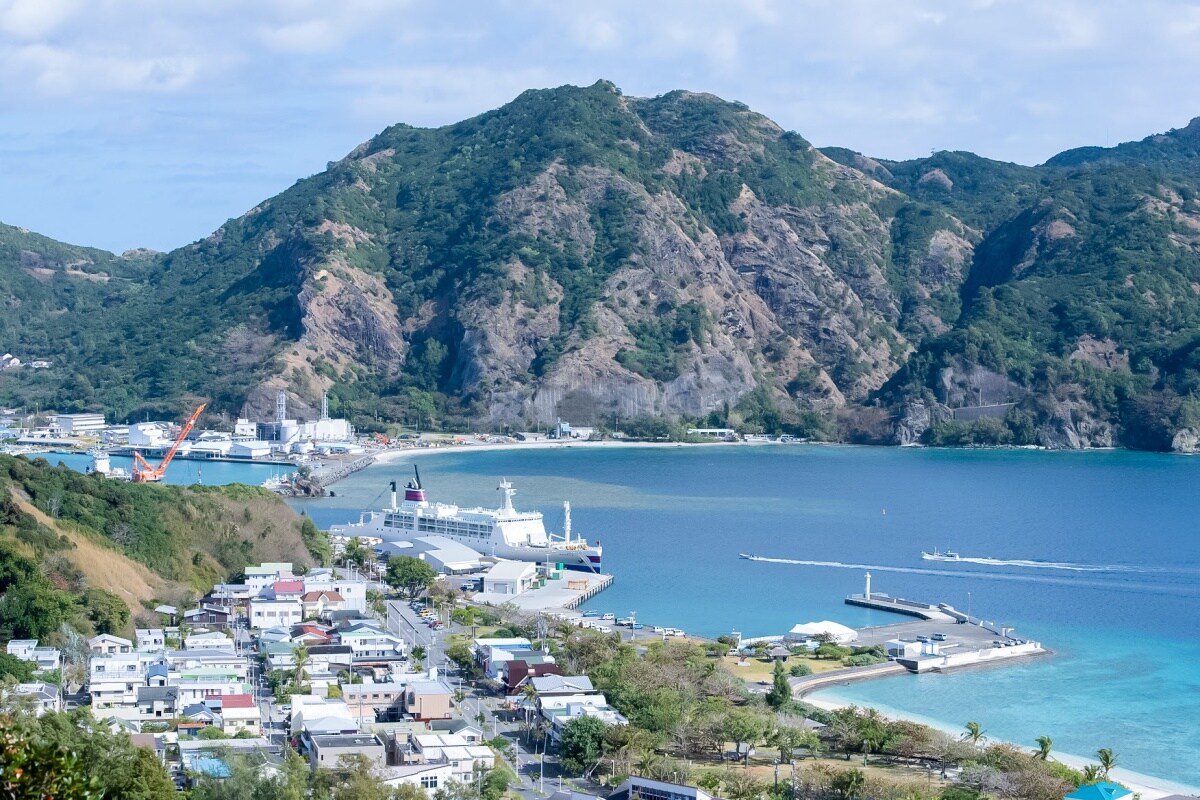
Futami Port Pier

Futami Port Pier

Best light · 06:00–09:00

Stand at the edge of the concrete pier to capture the local vessels departing against the backdrop of the Pacific Ocean. This is the primary boarding area for whale watching japan tokyo tours.

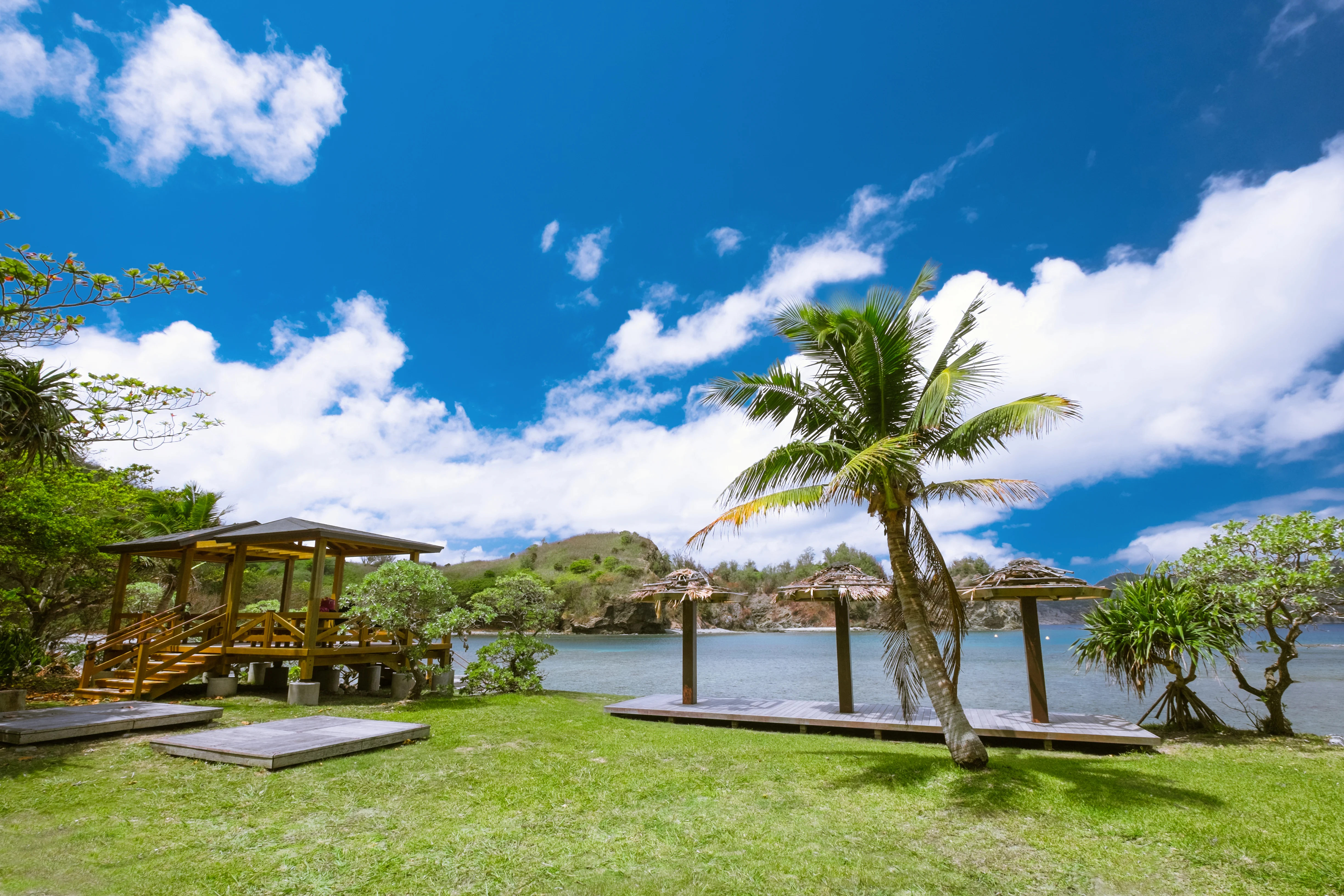
Miyanohama Beach

Miyanohama Beach

Best light · Early morning

Position yourself on the sandy shore to photograph the crystalline waters and distant horizons where marine life often surfaces. Use a telephoto lens to compress the distance for a whale watching japan tokyo tour perspective.

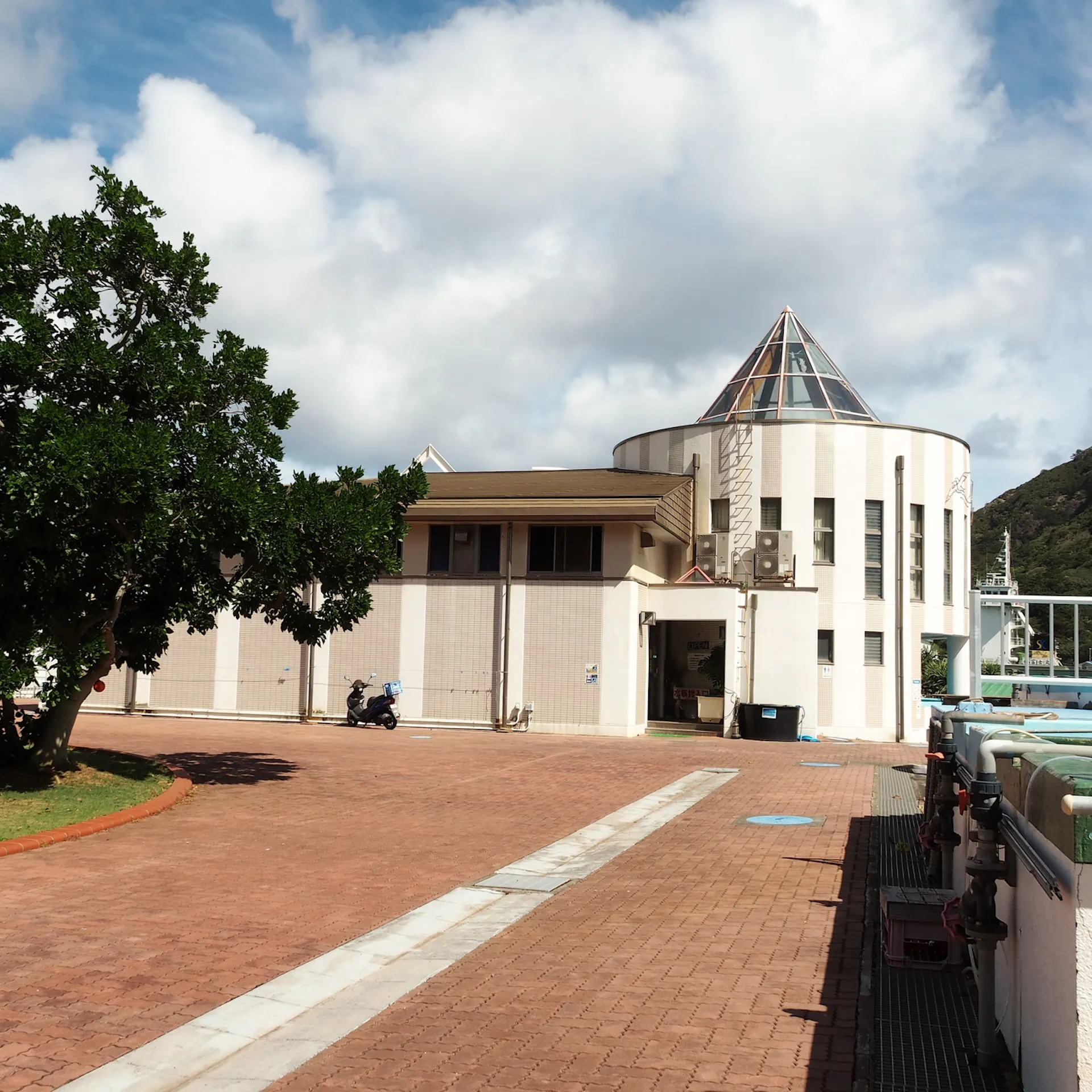
Ogasawara Marine Center

Ogasawara Marine Center

Best light · Midday

Capture the research facility exterior and the nearby coastal trails that offer high-altitude vantage points over the bay. This location is essential for those seeking whale watching japan tokyo tickets and information.

Heart Rock Trailhead

Heart Rock Trailhead

Best light · Golden hour

Frame the rugged cliffside landscapes that overlook the deep blue waters known for migrating pods. This spot requires a short hike to reach the optimal elevation for whale watching japan tokyo.

Gallery

Moments from Whale Watching Japan Tokyo

With kids

Whale Watching Japan Tokyo Logistics for Families

Embarking on a whale watching japan tokyo adventure requires careful planning to ensure children stay comfortable throughout the journey. Because these ocean trips involve significant time on small vessels, preparation is essential for a smooth family experience.

Seasickness Prevention

Prior to your whale watching japan tokyo tour, consult a pharmacist regarding motion sickness medication, as it must be taken well before boarding to be effective. Ensure children are well-rested, hydrated, and keep their eyes on the horizon rather than looking down at devices or cameras.

Boat Safety

When selecting your whale watching japan tokyo tickets, prioritize operators who provide safety briefings and have experience with younger passengers. Stay seated in stable areas of the boat—typically toward the middle or back—to minimize the sensation of the swell.

Physical Demands

Ocean excursions can be long, ranging from two to six hours; bring layers of clothing as sea temperatures can be cool even on sunny days. Ensure your group has enough snacks and water, as few whale watching japan tokyo tours provide extensive meal service on board.

Alternative Viewing

If your family finds boat travel difficult, consider using local land-based whale lookouts during peak humpback season from February to April. Binoculars are highly recommended for these vantage points to help spot activity without the need to board a vessel.

Food & drink

Where to eat at Whale Watching Japan Tokyo

Dining options near whale watching japan tokyo are primarily concentrated in the island village center, where local eateries provide essential sustenance before your ocean excursion. Visitors often rely on these local establishments since there are no food vendors at the remote departure points, making whale watching japan tokyo tours easier to manage with a pre-packed meal or a quick sit-down breakfast.

Umitora

€€

Izakaya – 3 min walk

Specializing in fresh local seafood, this spot is ideal for an early dinner after returning from your Ogasawara whale watching japan tokyo tour. It offers a variety of island-caught fish and seasonal vegetables.

Papa's Kitchen

€

Bistro – 5 min walk

This casual café serves hearty breakfast sets and coffee, perfect for grabbing a quick bite while waiting for your whale watching japan tokyo tickets to be verified. Expect simple, comforting meals that cater to early risers.

FAQ

Whale Watching Japan Tokyo — frequently asked questions

Everything you need to know for your journey

Ready for Adventure?

Join thousands of happy travelers who have discovered this incredible experience

Book Your Experience Now