

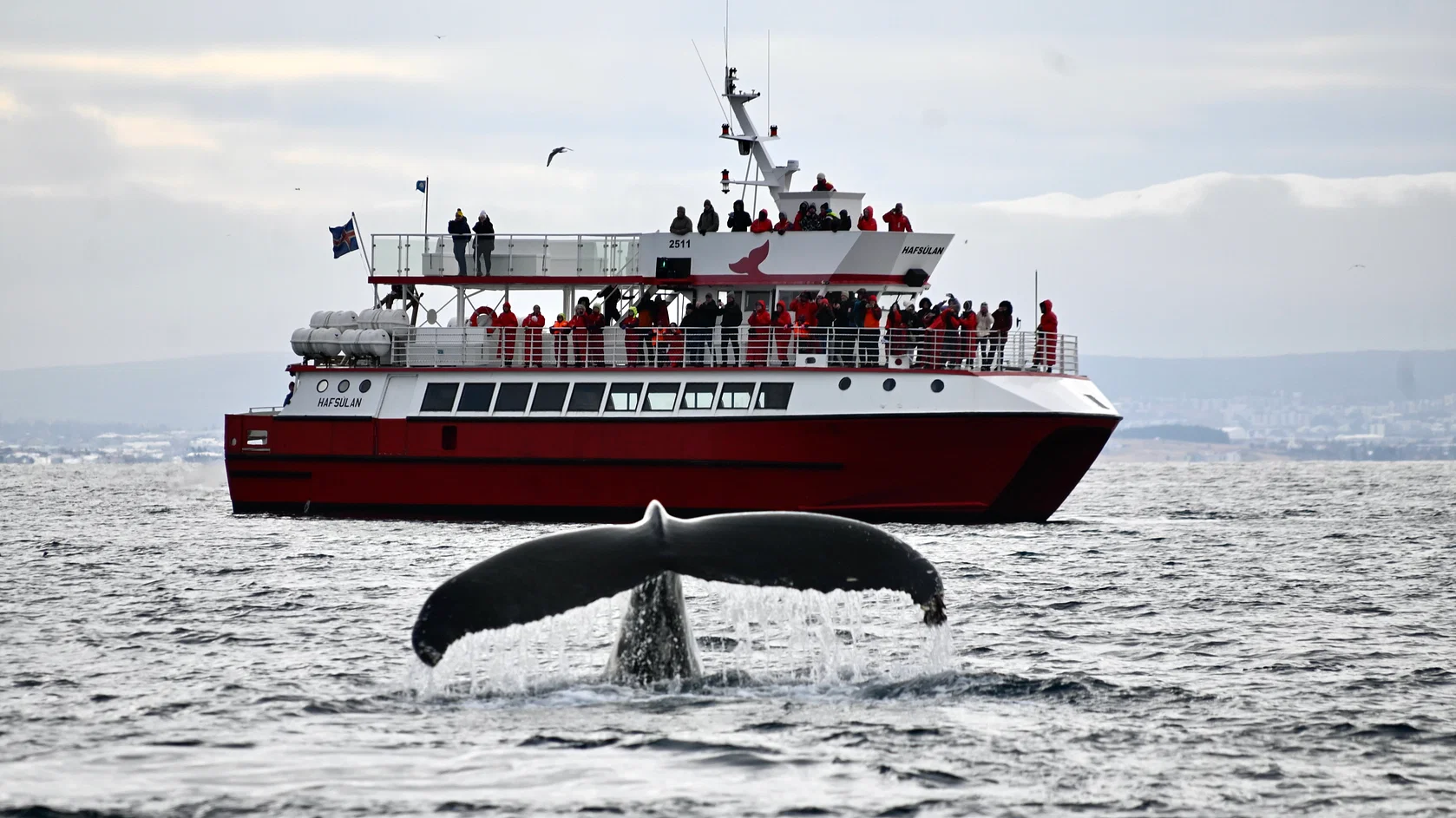
Quick answer
International whale watching rules typically mandate minimum approach distances of 100 meters for most large cetaceans, with stricter 200-meter zones for mothers with calves and endangered species. Vessels must maintain slow speeds within designated zones, avoid direct approaches or sudden course changes, and limit viewing time to 30 minutes per encounter. National jurisdictions enforce additional restrictions—some regions prohibit swimming with whales entirely, while others require licensed operators and restrict the number of boats permitted near a single pod simultaneously.
More than 13 million people participate in organized cetacean observation annually, making adherence to standardized protocols critical for species welfare. Regulatory frameworks governing marine mammal encounters originated in the 1990s when research documented behavioral disruption from unregulated tourism—resting patterns interrupted, nursing hindered, and migration routes altered by persistent vessel traffic. Approach distance requirements form the foundation of responsible viewing. Most jurisdictions enforce a 100-meter exclusion zone around whales, measured from the nearest animal in a pod. This buffer expands to 200 meters for mothers with calves, as juveniles exhibit heightened stress responses to human presence. Endangered populations—North Atlantic right whales, Southern Resident orcas—carry mandatory 400-meter distances in specific habitats. These measurements account for the animals' acoustic environment: engine noise travels efficiently underwater, and cetaceans rely on echolocation and social calls that vessel sound disrupts. Speed restrictions within marine protected areas, typically five knots or less, reduce collision risk and allow whales to move away if they choose. Vessel conduct extends beyond distance. Operators must approach from the side and slightly behind, never head-on or from directly astern, positions that animals interpret as predatory or threatening. Course changes should be gradual; sudden turns trigger avoidance behavior that expends energy reserves critical for migration. Time limits prevent habituation—a pod surrounded by multiple boats for hours shows reduced feeding efficiency and altered dive patterns. Licensed commercial operators in regulated waters face additional constraints: passenger limits, mandatory spotter training, and real-time reporting to centralized tracking systems that prevent crowding. Enforcement varies by jurisdiction. U.S. waters fall under the Marine Mammal Protection Act, which prohibits harassment and carries civil penalties reaching $28,000 per violation. Canadian regulations under the Marine Mammal Regulations impose similar fines and vessel seizure for repeated offenses. International waters present enforcement challenges, though the International Whaling Commission provides non-binding guidelines adopted by member nations. Observers should verify local rules before departure—some regions prohibit drone use entirely, others ban swimming or in-water photography, and certain sanctuaries close seasonally to all vessel traffic during calving periods. Compliance protects long-term access. Populations subjected to chronic disturbance abandon traditional feeding or breeding grounds, a documented outcome in Mediterranean fin whale habitat and Hawaiian spinner dolphin resting bays. Responsible viewing sustains both conservation outcomes and the economic framework supporting coastal communities dependent on wildlife tourism.
“Populations subjected to chronic disturbance abandon traditional feeding or breeding grounds, a documented outcome that threatens both cetacean welfare and the tourism economy.”
Essential Whale Watching Rules for Ethical Marine Interaction
Responsible whale watching protects marine mammals from stress and injury while preserving natural behaviors. Adherence to distance and approach protocols ensures both safety and conservation.
Do
- Maintain minimum 100-meter distance from whales at all times
- Approach from the side at a parallel angle, never head-on
- Reduce vessel speed to below 10 knots in whale zones
- Limit viewing time to 30 minutes per animal or group
- Follow the captain's instructions and remain seated during maneuvers
- Keep noise levels low to avoid startling marine life
Don't
- Never chase, encircle, or separate whales from their group
- Avoid sudden movements or loud sounds near the animals
- Don't feed or attempt to touch whales under any circumstance
- Never dispose of waste or debris into the water
- Don't use flash photography, which can disorient marine mammals
- Avoid blocking the whale's path or escape route
Whale Watching Rules and Admission Price Context
Access to the open ocean for whale watching requires no admission fee. Costs associated with this activity are determined by individual tour operators.
While ocean access is free, visitors pay tour operators directly for vessel transport and guided services.
Pre-Visit Checklist for Whale Watching Rules Compliance
Prepare for a responsible whale watching experience by completing these tasks in advance.
-
Book a licensed operator in advance — Licensed operators follow distance and approach regulations required by law.
-
Confirm your booking includes safety briefing — Briefings cover emergency procedures and viewing protocols before departure.
-
Pack layered waterproof clothing and sunscreen — Marine conditions change quickly and sun reflects off water intensely.
-
Bring binoculars and a camera with zoom — Regulations prohibit close approaches, so distance viewing equipment is essential.
-
Arrive during the 07:00–12:00 window — Morning hours offer calmer seas and better visibility for spotting.
-
Review the operator's cancellation policy — Weather-dependent tours may reschedule, so understand refund terms beforehand.
Check availability
Frequently asked questions about whale watching rules
Everything you need to know about whale watching rules