3 hr
Okinawa Humpback Whale Watching Tour with Hotel Pickup
- Entry ticket
- Mobile voucher
- Valid same day
- Free cancellation
Whale Watching Japan — Humpbacks, Orcas & Sperm Whales
Three coasts, fourteen species, morning departures into open water
Compare fares, pick the fit — all bookings are mobile-voucher and eligible for free cancellation where shown.
3 hr
3 hr
1 hr 10 min
| Experience | From | Duration | Rating | Pickup | Audio guide | Free cancel. | Price | |
|---|---|---|---|---|---|---|---|---|
|
Standard Entry
Most popular
Okinawa Humpback Whale Watching Tour with Hotel Pickup
|
— | 3 hr | ★ 4.2 | ✓ | ✓ | ✓ | €36 | Book → |
|
Standard Entry
Okinawa Humpback Whale Watching from Chatan
|
Chatan | 3 hr | ★ 4.1 | — | ✓ | ✓ | €36 | Book → |
|
Standard Entry
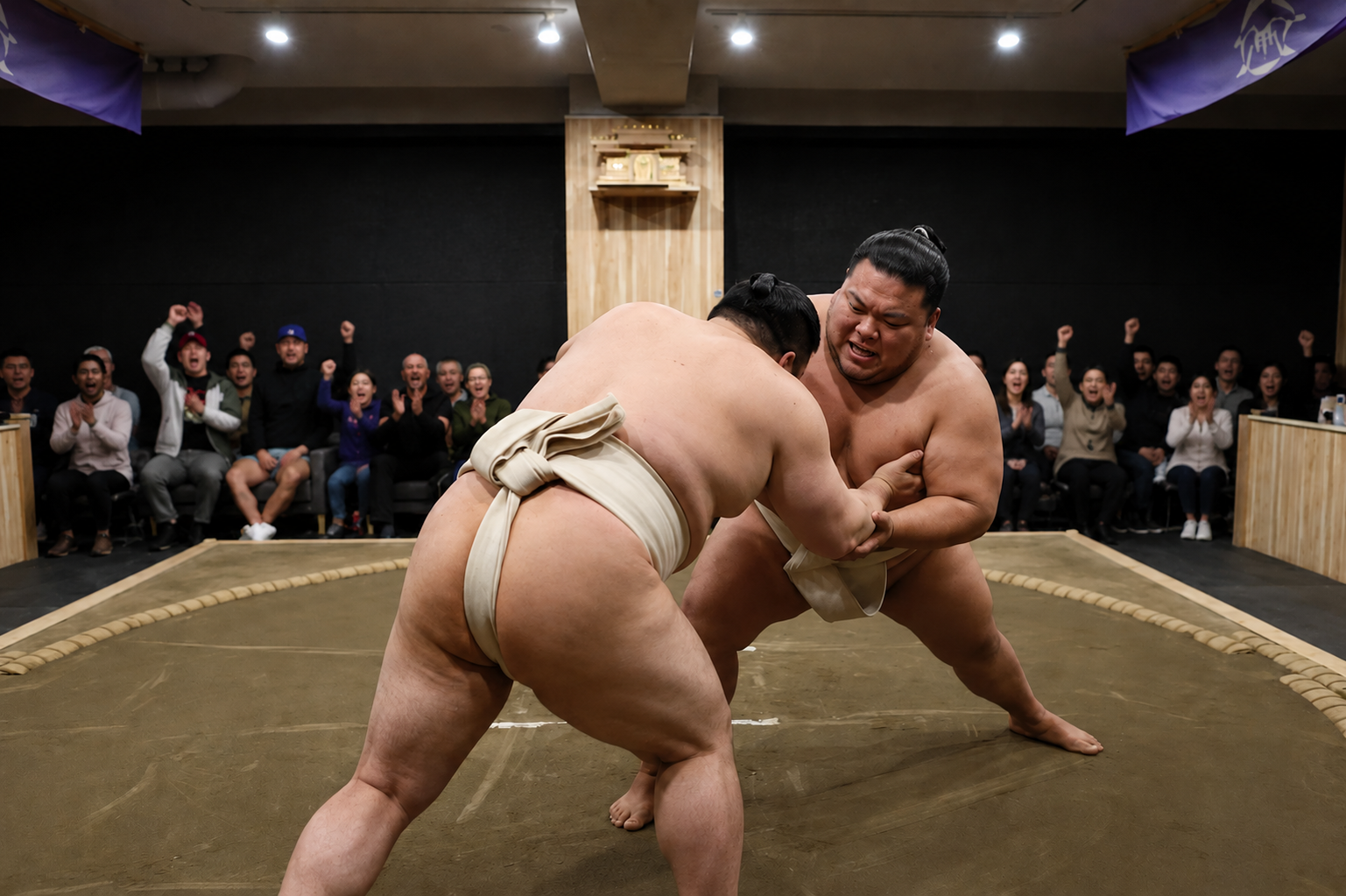
Shibuya Sumo Wrestling Show with Ring Challenge & Photos
|
— | 1 hr 10 min | ★ 5.0 | — | — | ✓ | €44 | Book → |
They complement each other; most visitors who do both find that whale watching japan tours provide a superior sense of discovery compared to controlled exhibits. Selecting the right marine encounter depends on whether you prioritize wild marine mammal behavior or reliable viewing opportunities.
|
Top pick Whale Watching |
Aquarium Encounters | |
|---|---|---|
| Predictability of sightings | Low (wild animals) | High (captive animals) |
| Proximity to animals | Variable (distance maintained) | High (glass viewing) |
| Environmental impact | Low (regulated observation) | High (captivity footprint) |
| Physical requirements | Moderate (boat stability needed) | Low (indoor accessible) |
| Cost | 4,000–12,000 JPY | 1,500–3,500 JPY |
| Weather dependency | High (sea state dependent) | None (indoor facilities) |
| See tickets & prices |
Verdict: While whale watching japan tickets offer an authentic oceanic connection, marine park visits ensure consistent observation regardless of external climate conditions or sea state.
Hand-picked experiences loved by thousands of travelers
Flexible duration
Step barefoot into massive digital art installations where your movements shape ever-changing environments
2 hours
Free Cancellation
Explore Tokyo's legendary seafood hub with a local guide and discover the flavors and traditions of Japan's culinary heart.
2 hours
Free Cancellation
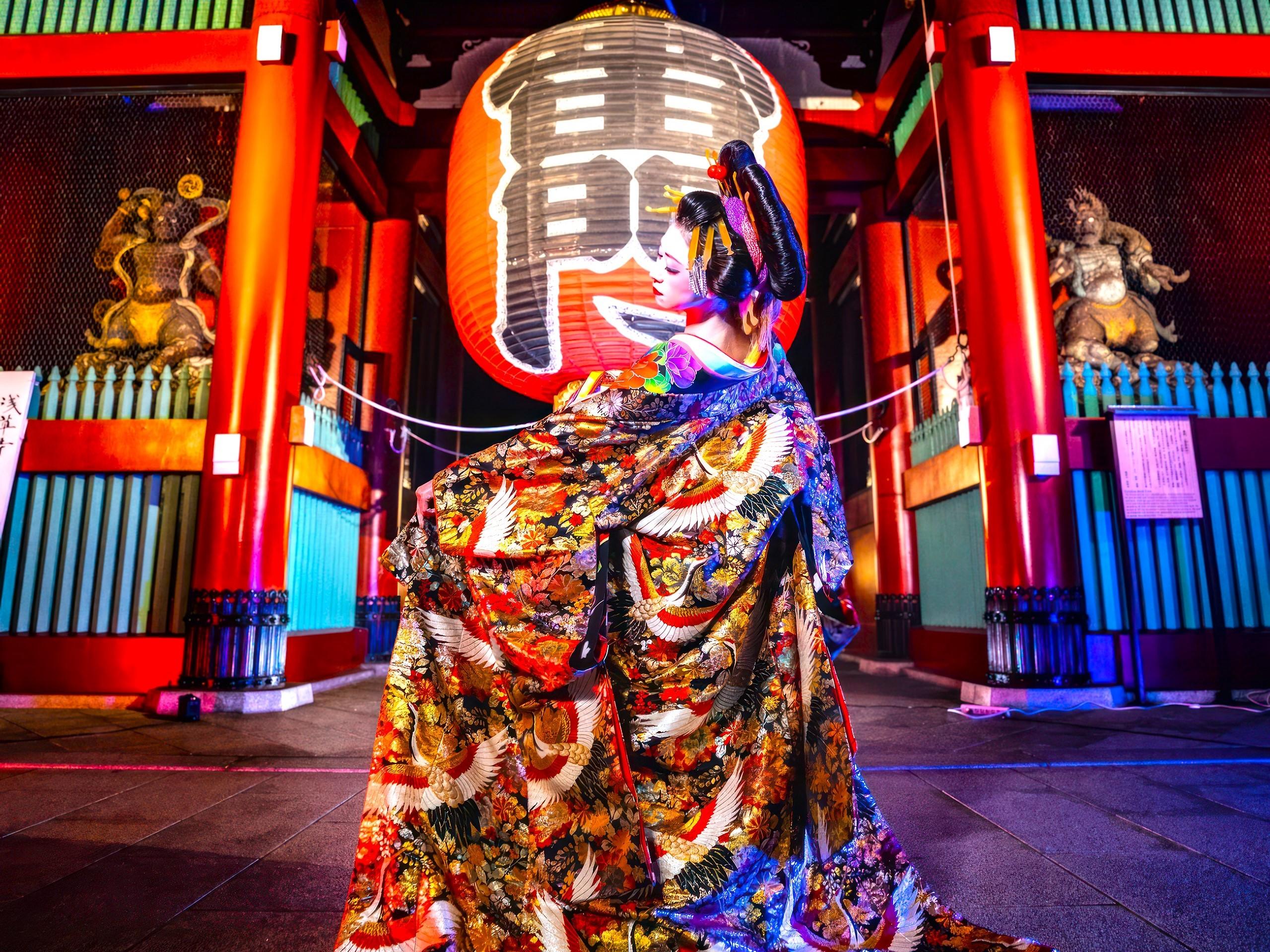
Experience a vibrant fusion of traditional Japanese dance and modern music at Tokyo's premier cabaret theater
2 hours
Free Cancellation
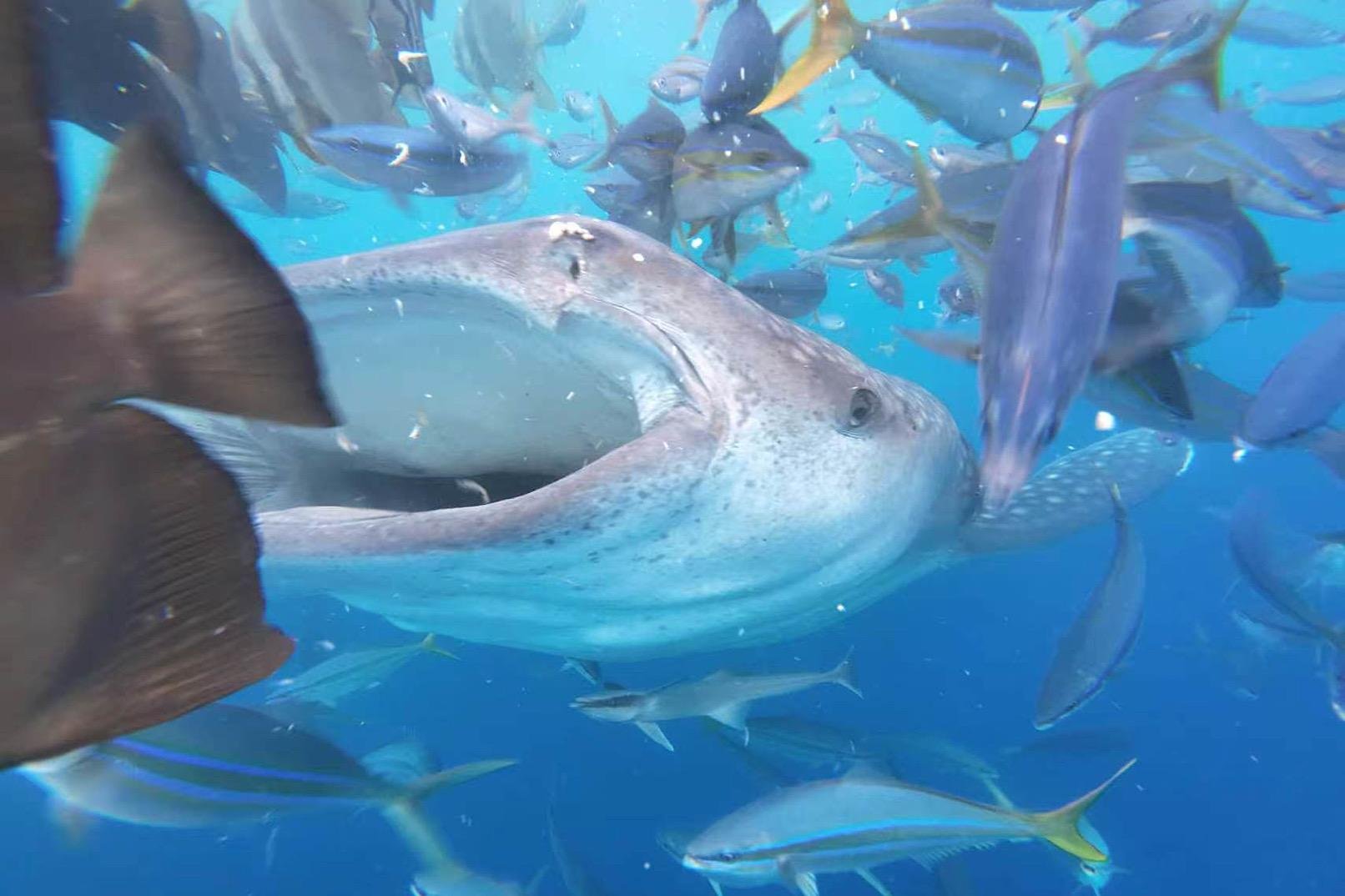
Swim alongside majestic whale sharks in a protected ocean enclosure with professional guides and complimentary media
1 hour 30 minutes
Free Cancellation
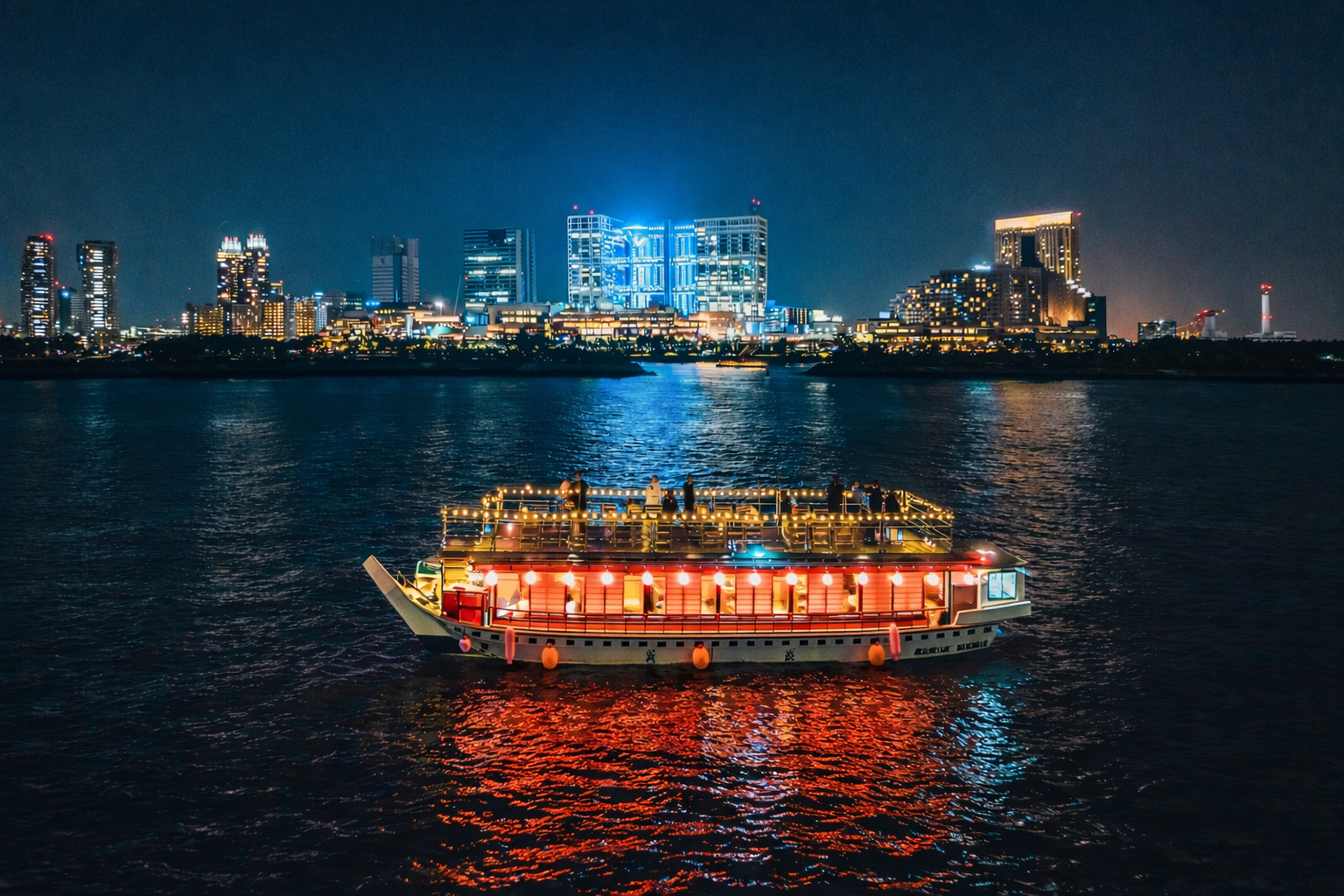
Sail Tokyo Bay aboard a traditional houseboat with sukiyaki meal, shamisen music, and Rainbow Bridge views
10 hours
Free Cancellation
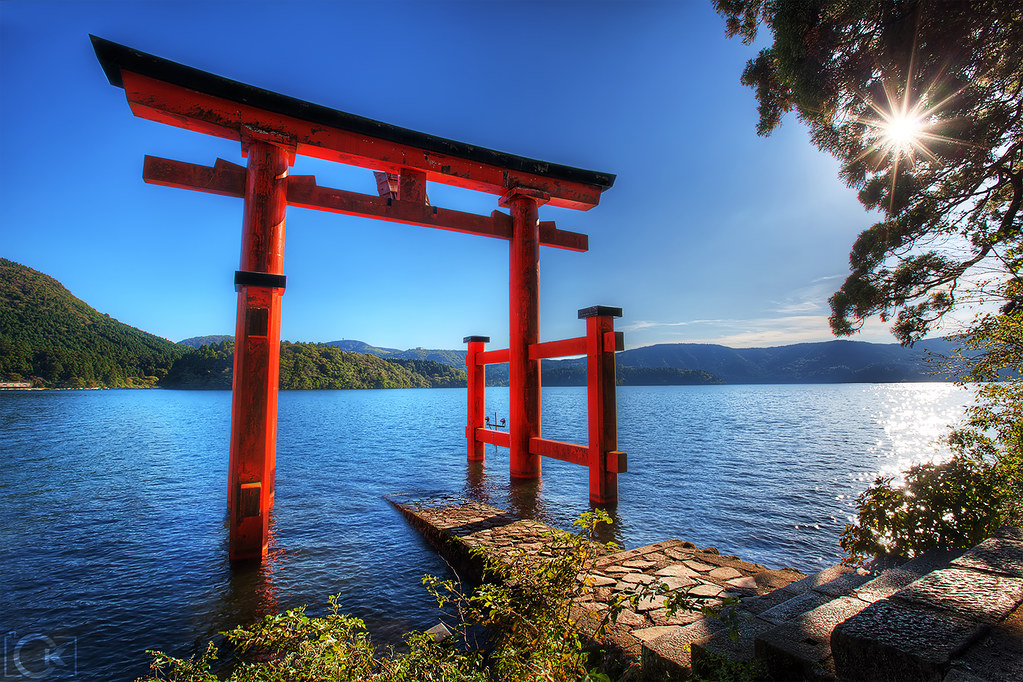
Discover sacred shrines, designer shopping, traditional villages, and lakeside swan feeding on this 10-hour adventure from Shinjuku.
3 hours
Free Cancellation
Savor authentic Japanese cuisine aboard a traditional houseboat while gliding past Tokyo's illuminated waterfront landmarks
2.5 hours
Free Cancellation
Watch former professional wrestlers perform live, savor premium Japanese beef hot pot, and step into the ring yourself
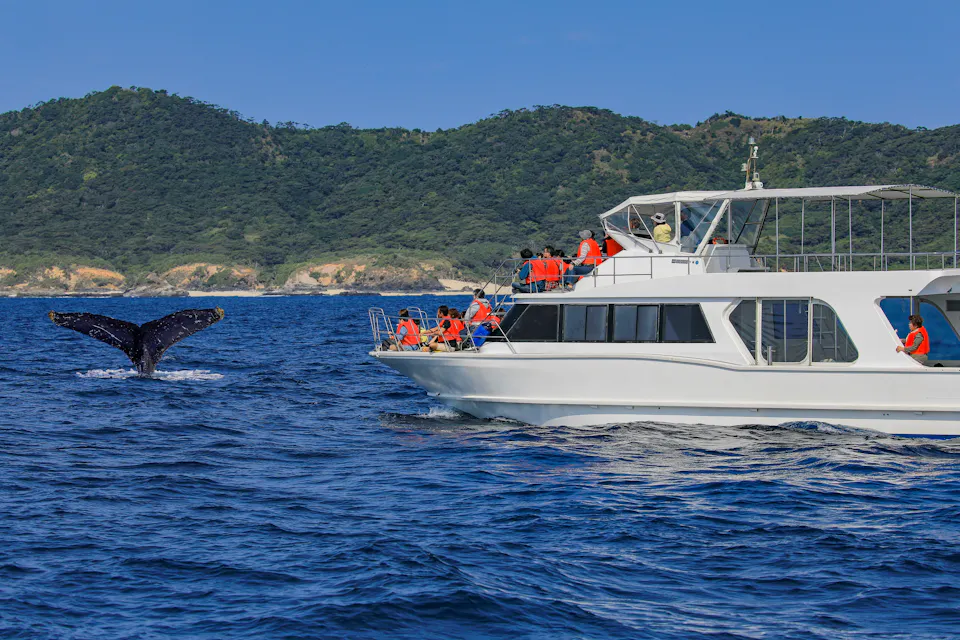
You board at 8:00 from Zamami Port, where the operator briefs you on approach protocols and distributes hydrophone receivers. The vessel clears the harbor breakwater within ten minutes, heading southwest toward the Kerama Gap.
By 8:30, the hydrophone picks up humpback song—a series of rising and falling tones that the captain triangulates to locate the source. You spot the first blow at 8:50, a vertical spout six meters high that marks the whale's surfacing interval.
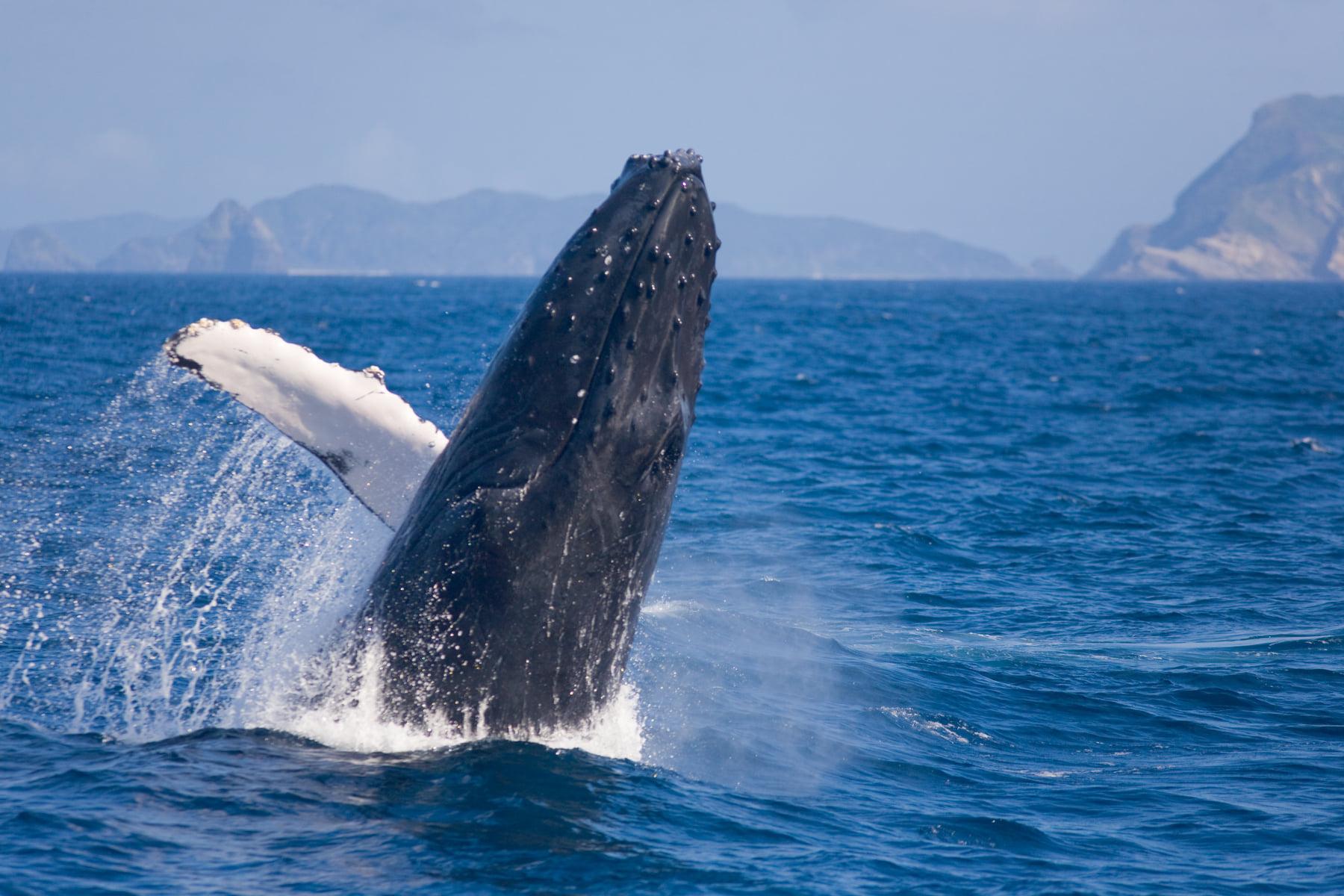
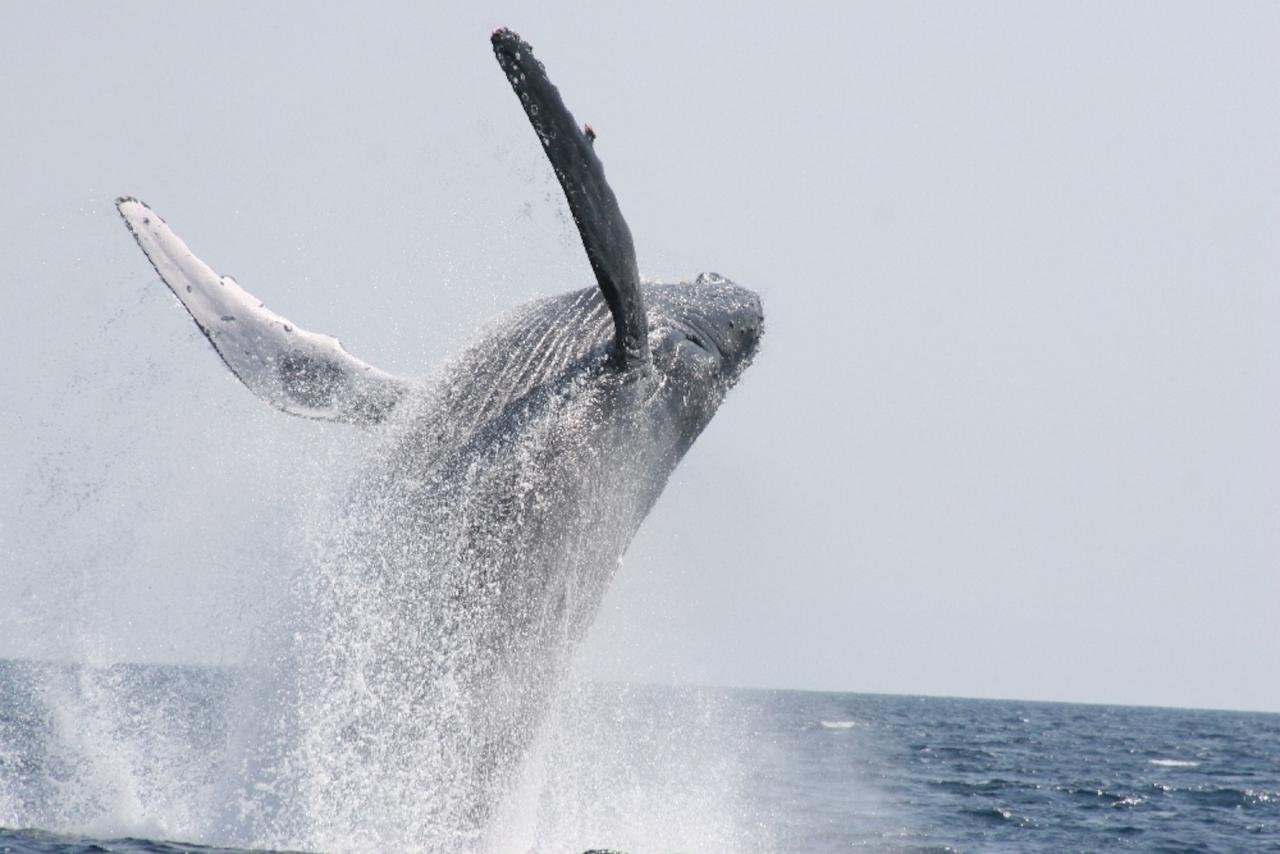
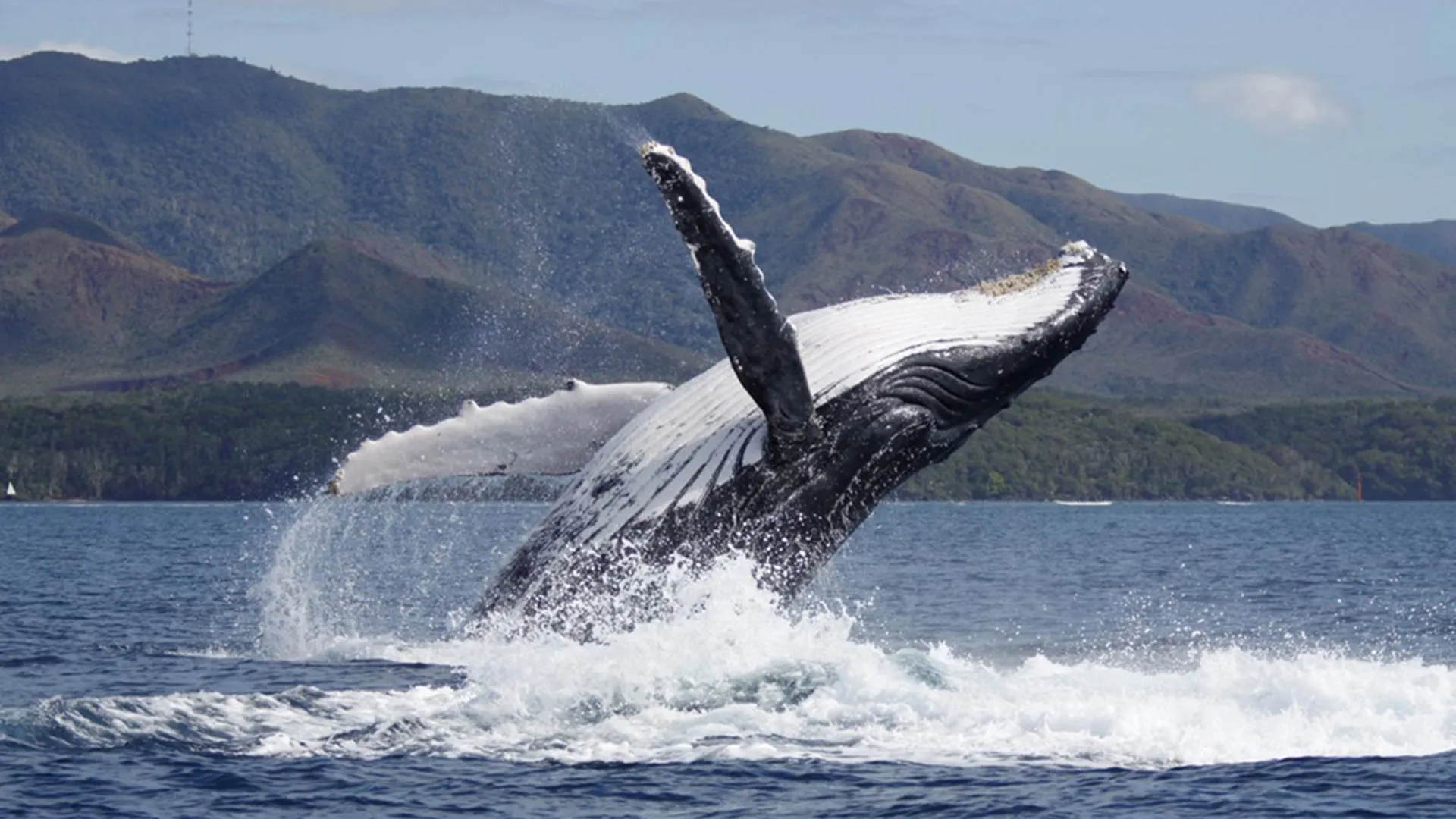
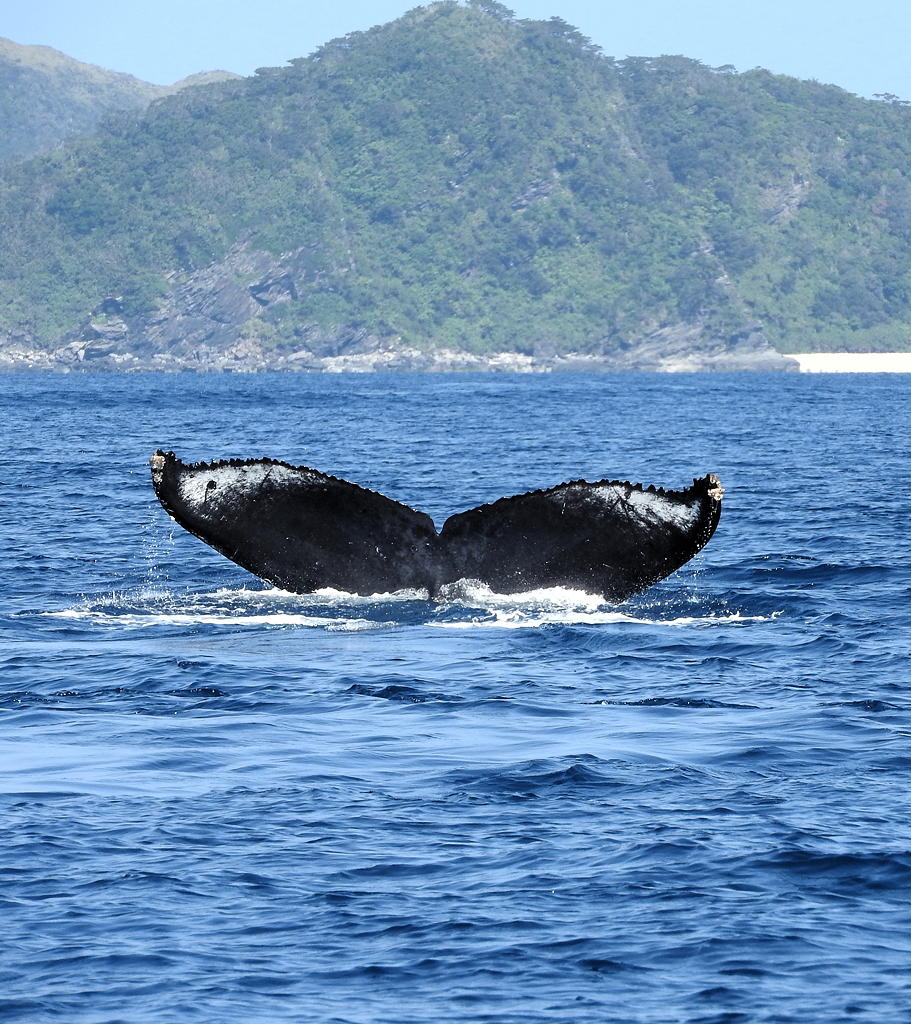
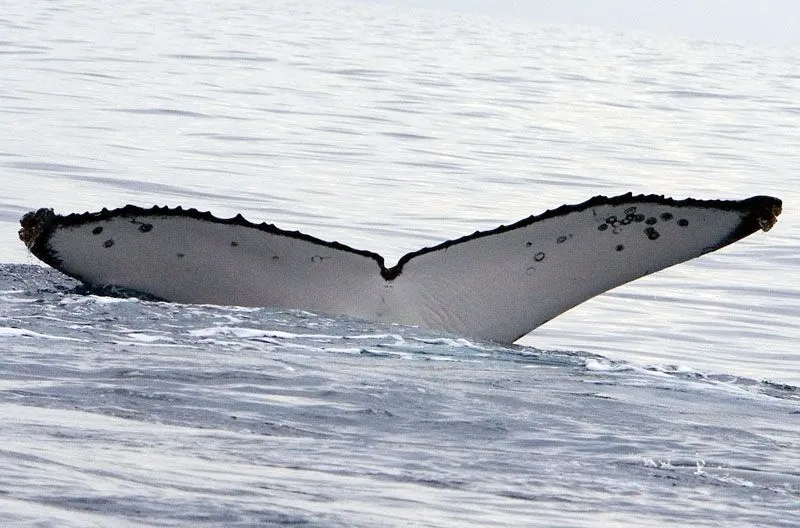
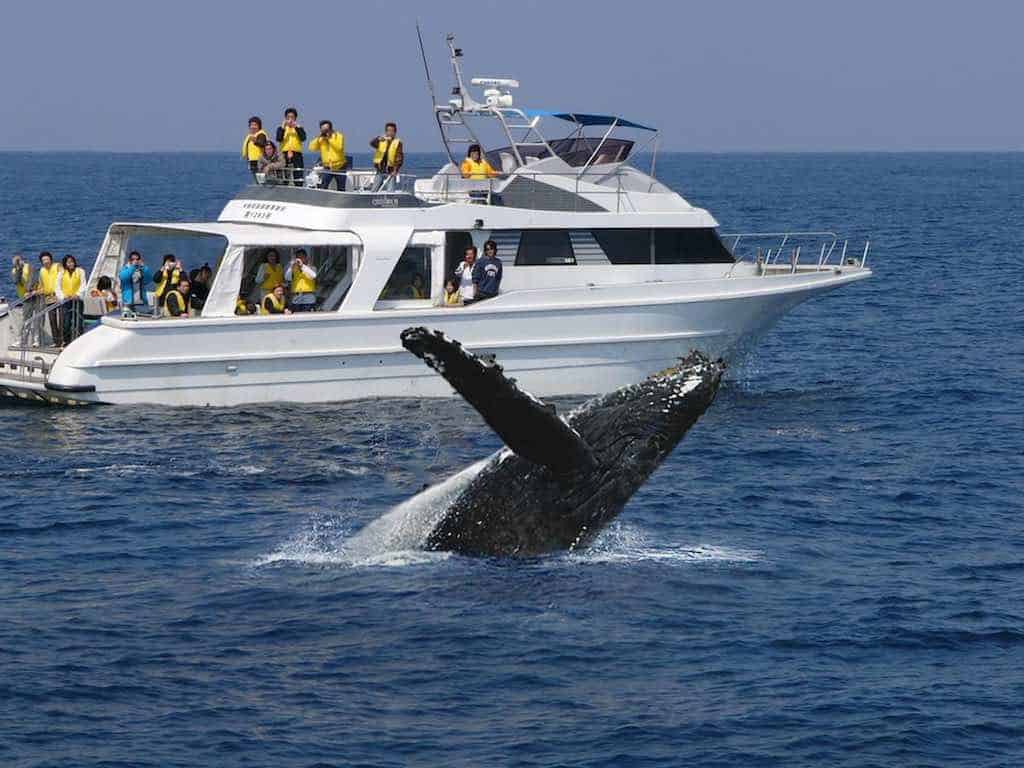
The boat cuts its engine 100 meters from the humpback, and you watch the animal's back arc above the waterline as it prepares to dive. The tail fluke rises vertically, revealing barnacle clusters and scalloped edges unique to this individual. The whale remains submerged for twelve minutes before resurfacing 200 meters east, exhaling a mist that drifts across the deck. A second whale breaches at 9:20, launching its 30-ton body clear of the water before landing sideways in a cascade of whitewater. The impact resonates through the hull. By 10:00, you've documented four separate animals, including a calf that surfaces beside its mother in synchronized rhythm.
All the details about your upcoming adventure in one place
Whale watching Japan offers encounters with migrating humpback, sperm, and Bryde's whales along Pacific and Sea of Japan coastal waters. Seasonal whale watching japan tours operate from ports in Okinawa, Kochi, and Hokkaido, with peak sightings from January through April when humpbacks travel north from tropical breeding grounds. Marine biologists often accompany whale watching japan tickets to explain cetacean behavior and migration patterns.
Japan's archipelago position along the western Pacific migration corridor places fourteen cetacean species within reach of commercial observation vessels. Humpback whales arrive in Okinawan waters each January, traveling from Alaskan feeding grounds to breed in the Kerama Islands' protected channels.
The 1,200-kilometer journey concludes in shallow bays where calves are born between February and March, visible from boats departing Zamami and Tokashiki. Kochi Prefecture's Tosa Bay records year-round sightings of Bryde's whales, which feed on sardine schools driven against the continental shelf by the Kuroshio Current. Sperm whales dive to 1,000 meters off the Ogasawara Islands, a UNESCO World Heritage site accessible only by 24-hour ferry from Tokyo.
Whale watching Japan tours gained regulatory structure in 1998, when the Ministry of Environment established approach distances and engine-cut protocols to minimize disturbance. Hokkaido's Rausu coast offers the highest density of orca pods in Japanese waters, with resident families tracked by Shiretoko research stations since 2005. The orcas hunt Pacific salmon during the spring thaw, when sea ice retreats from the Nemuro Strait. Fin whales and minke whales appear off the Shiretoko Peninsula between May and October, feeding on krill blooms that follow the Oyashio Current's southward flow.
Operators in Zamami deploy hydrophones to locate humpback song, a behavior linked to male competition during breeding season. The songs consist of repeated phrases lasting up to 20 minutes, audible through boat hulls at distances exceeding two kilometers. Okinawa's whale watching season concludes in early April, when humpbacks begin their return migration to subarctic waters. Kochi's tours operate daily from Tosa City Marina, with sightings documented in 92 percent of departures during the 2025 season. Hokkaido expeditions launch from Rausu between April and October, with orca encounter rates peaking in May when salmon runs intensify.
Cetacean research institutions in Japan share sighting data through the Japan Cetacean Conference, established in 1985 to coordinate population studies across coastal prefectures. The Ogasawara Whale Watching Association limits daily departures to 15 vessels, maintaining observation quality in waters where sperm whales and short-finned pilot whales coexist. Morning departures align with calmer sea states and higher visibility, conditions favored by photographers documenting breaches and tail flukes.

Humpback song consists of repeated phrases lasting up to 20 minutes, audible through boat hulls at distances exceeding two kilometers.
Wear windbreakers, raincoats, and non-slip footwear to stay comfortable on the deck. Sun protection like hats and sunglasses is recommended for long whale watching japan tours.
Keep belongings minimal as space is limited on boats. Secure all loose items to prevent them from falling overboard during your whale watching japan adventure.
Photography is encouraged, but ensure your gear is protected from sea spray. Use a neck strap to keep your camera secure during whale watching japan excursions.
Safety is a priority, so ensure children follow all crew instructions. Many whale watching japan tours offer educational content suitable for younger participants.
Many vessels are not barrier-free and involve ladder boarding. Check with your chosen whale watching japan operator regarding specific boat access requirements.
Bring your own water and snacks as most vessels have limited facilities. Avoid alcohol before boarding to prevent motion sickness during whale watching japan trips.
Opening hours
08:00–18:00
Address
Various locations including Okinawa, Kochi, and Hokkaido, Japan
Accessibility
Varies by port, often requires ladder boarding
Arrival
08:00–10:00
Storage
Limited space on vessels, use port lockers
Navigation
Confirm departure point via your operator booking
Terms vary by provider; however, most whale watching japan tours require notice 48 hours in advance for refunds. Entrance fee is 0 JPY, as tours are operated by private companies.
Recommended time
2-4 hours
Standard boat excursions for whale watching japan typically last between two and four hours, covering transit to marine observation zones and time spent searching for wildlife. We recommend the 08:00–10:00 arrival window because morning tours generally feature calmer sea conditions, which provide better visibility for spotting surface activity. Choosing a morning whale watching japan tour often leads to a more comfortable experience, as afternoon winds can occasionally increase wave heights and reduce coastal clarity.
Crowd levels through the day
Embarking on a whale watching japan adventure is a unique way for families to connect with marine life, though success depends on balancing your child's patience with sea conditions. Preparing for a maritime excursion requires careful attention to comfort, safety, and managing expectations for time spent on the open water.
Minimum age requirements for a whale watching japan tour are set by individual operators and vary widely, so verify these limits when purchasing your whale watching japan tickets.
Opt for stable vessels like catamarans when available, and consider shorter boat trips to minimize the risk of motion sickness for younger travelers.
Wear layered clothing to adapt to changing sea breezes, and bring waterproof protection or light raincoats to stay dry during your whale watching japan tours.
Always prioritize child-sized life jackets provided by the operator and ensure your children understand basic boat safety instructions before departing the harbor.
Pack quiet activities or snacks for periods spent searching for wildlife, as the time required to encounter whales can be unpredictable and lengthy.
Real experiences from real travelers
We departed Zamami at dawn and spotted three humpback whales within an hour. The crew explained migration patterns and kept a respectful distance. Water was calm enough to see underwater shadows between breaches.
Booked whale watching japan tickets through our hotel in Okinawa and caught the ferry to the Kerama Islands. A mother and calf surfaced so close we could hear the breathing. Guide provided excellent commentary in English.
Three-hour tour from Chichijima delivered on every front. Saw multiple breaches, tail slaps, and even recorded whale song on the hydrophone. Crew was knowledgeable about Ogasawara's UNESCO status and whale behavior.
The humpback whales around Zamami exceeded expectations. Our boat encountered a pod of five adults. Captain positioned us perfectly for photos without disturbing them. Bring a zoom lens and seasickness tablets.
Whale watching japan tours operate January through April when humpbacks migrate south. We had light rain but still saw two whales from a distance. Crew said previous day had breaches. Timing matters.
Flew into Naha, ferried to Tokashiki, then joined a whale watching tour the next morning. Calm seas and a pod of four whales traveling together. One juvenile breached repeatedly. Guide shared data on population recovery.
While humpback season ends in April, we spotted minke whales off Rausu in Hokkaido during summer. Different species but equally rewarding. The captain knew exactly where to find feeding grounds near the Shiretoko Peninsula.
The 24-hour ferry from Tokyo to the Bonin Islands is long but whale encounters made it worthwhile. Saw humpbacks, spinner dolphins, and sea turtles. Book tours in advance during peak season.
Took our two kids on a whale watching japan tour from Zamami. Crew engaged them with facts about whale size and diet. We saw tail flukes and dorsal fins. Boat had restroom and shaded seating.
Tour operator collaborates with marine biologists to document individual whales through fluke patterns. We contributed photos to their database. Professional crew, stable vessel, and ethical viewing distance throughout.
Everything you need to know for your journey
Whale watching japan operators typically operate between 08:00–18:00. Please confirm your specific departure time with your provider.
There is a 0 JPY entrance fee, as whale watching japan tours are conducted by private companies and ticket prices vary.
The best arrival window for whale watching japan is 08:00–10:00 for the calmest sea conditions. Winter is peak for Okinawa, while summer is ideal for Hokkaido.
Policies vary by company, but whale watching japan safety regulations generally require children to be supervised. Some tours may have age limits.
Most whale watching japan tickets require cancellation 48 hours prior for refunds, though operator policies differ. Always check your booking confirmation.
You are encouraged to bring light snacks and water on your whale watching japan trip. Refrain from heavy meals or alcohol to avoid motion sickness.
Photography is welcome on most whale watching japan tours, but keep equipment secure and protected from the saltwater environment.
Access varies as some whale watching japan vessels require ladder boarding. Contact your operator to discuss mobility needs beforehand.
Dress in layers, wear non-slip shoes, and carry sea sickness medication to maximize your enjoyment during whale watching japan outings.
Join thousands of happy travelers who have discovered this incredible experience
Book Your Experience Now