

Quick answer
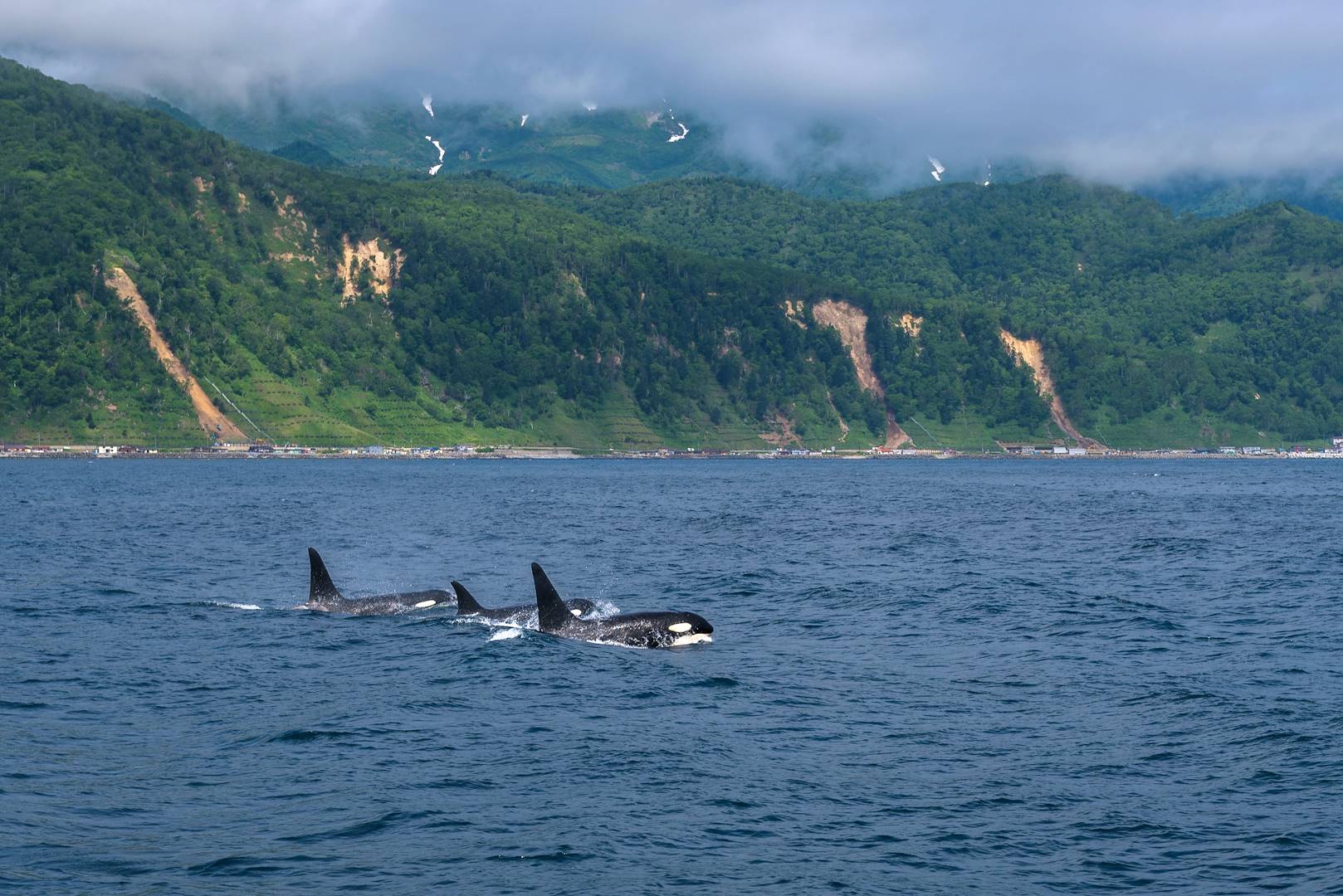
Whale watching Japan August delivers the year's best conditions, with sperm whales and Baird's beaked whales present in near-daily sightings throughout the month. Morning cruises departing at 09:00 from Rausu record encounter rates exceeding 95 percent during August, benefiting from calm seas and extended daylight. Water temperatures peak at 18-20°C, concentrating prey species and drawing resident and migratory cetaceans into predictable feeding zones within two hours of shore.
August marks the apex of the North Pacific feeding season, when the confluence of the cold Oyashio Current and warmer offshore water creates upwelling zones that concentrate squid and schooling fish along the continental shelf east of Hokkaido. Sperm whales arrive in numbers that peak mid-month, their clicks audible through hydrophones as they dive to depths exceeding 1,000 meters in pursuit of giant squid. Baird's beaked whales, among the largest of the beaked whale family, surface in pods of three to seven animals, their bulbous foreheads breaking the surface in synchronized rolls that can last twenty minutes before they sound again. Whale watching in Japan during August benefits from weather patterns that stabilize after July's typhoon season and before September's autumn storms. Sea conditions in the Nemuro Strait average one-meter swells, allowing vessels to reach offshore feeding grounds without the motion sickness that rougher months bring. Visibility extends to fifteen kilometers on clear mornings, and the extended daylight—sunrise before 04:30, sunset after 18:30—gives crews flexibility to track distant blows and approach sightings without rushing. The 9,000 JPY standard cruise from Rausu covers a three-hour circuit that targets the shelf drop-off where depth plunges from 200 to 2,000 meters within two nautical miles. Guides monitor whale behavior from the flying bridge, adjusting course to intercept dive patterns rather than chasing surfacing animals. Observers frequently log sightings of Dall's porpoises, which bow-ride in groups of a dozen or more, and minke whales, which feed alone in shallower water closer to the kelp line. August's reliability makes it the preferred month for first-time visitors and photographers seeking consistent light and calm water. The seasonal window narrows quickly—by late September, sperm whales begin their southward migration, and encounter rates drop by half. Booking for August departures opens in early spring, and weekend slots fill by June as domestic and international visitors target the month's proven track record.
“Sperm whales arrive in numbers that peak mid-month, their clicks audible through hydrophones as they dive to depths exceeding 1,000 meters in pursuit of giant squid.”
Understanding Whale Watching Japan August Conditions
August represents a primary period for whale activity in the waters off Hokkaido, particularly for sperm whales and various dolphin species. Early morning departures offer the most stable sea conditions for observation as wind speeds often increase later in the day.
August Peak
Moderate to High18°C to 24°C, humid
August provides high encounter rates for sperm whales in the Nemuro Strait. Warm temperatures prevail, though maritime conditions vary daily.
Weekday Mornings
Low—
Mid-week mornings typically experience fewer passengers and calmer sea states. This allows for better visibility and a more focused viewing experience.
Late Summer
Moderate17°C to 22°C
As August transitions to September, weather patterns remain favorable for offshore excursions. Marine life activity remains consistent throughout this interval.
Verdict: The best time for whale watching is August, specifically on weekday mornings to capitalize on calmer sea conditions and lower passenger density.
Daily Whale Watching Japan August Operating Hours
The whale watching excursions operate on a daily schedule throughout August. Visitors are required to arrive within the designated window for check-in procedures.
| monday | 08:30–11:30 | |
|---|---|---|
| tuesday | 08:30–11:30 | |
| wednesday | 08:30–11:30 | |
| thursday | 08:30–11:30 | |
| friday | 08:30–11:30 | |
| saturday | 08:30–11:30 | |
| sunday | 08:30–11:30 |
Arriving for Whale Watching Japan August in Rausu
The office for whale watching departures is located at 27-1 Hon-cho, Rausu Town, in the Shiretoko Peninsula of Hokkaido. Access to this remote region is most effectively managed via rental car or regional bus services connecting from major transport hubs.
Shiretoko Airport Liner to Rausu
Route 334 via Shiretoko Pass
Route 335 from Shibetsu
Essential Prep for Whale Watching Japan August
August whale watching in Rausu requires advance booking and preparation for cool maritime conditions.
-
Reserve your cruise online — Tours fill quickly during peak summer season and advance booking guarantees your spot.
-
Confirm departure time when booking — Most cruises depart at 09:00, requiring check-in by 08:30.
-
Pack warm, waterproof layers — Ocean temperatures remain cool even in August, with spray and wind common on deck.
-
Bring motion sickness medication if needed — Hokkaido waters can be choppy; take medication 30–60 minutes before departure.
-
Wear non-slip footwear — Wet decks require sturdy shoes with good traction for safe movement during the cruise.
-
Charge your camera and bring extra batteries — Cold conditions drain batteries faster, and whale sightings happen quickly.
Check availability
Common questions about whale watching japan august
Everything you need to know about whale watching japan august